Texas Hill Country Landowner Guides
Practical advice for new and experienced landowners navigating stewardship in the Texas Hill Country. From seasonal planning and drought considerations to property improvements and conservation strategies, these guides help landowners make informed decisions that support both wildlife and long-term land value.
-
Wildlife Management Annual Reports in Texas: What Landowners Need to Know
Wildlife Management Annual Report Texas | What to Include + Requirements If you’re managing your property under a wildlife management tax valuation (1-d-1), you may have heard about annual reports — or maybe you haven’t. Here’s the reality: Not all counties require them. But that doesn’t mean they’re optional. In many cases, counties can request…
-

How to Switch from Ag to Wildlife Tax Valuation in Texas (Step-by-Step Guide)
How to Switch from Ag to Wildlife Tax Valuation in Texas If you already have an agricultural valuation on your property, switching to a wildlife management tax valuation (1-d-1) can be a natural next step. The good news? You don’t lose your valuation — you’re simply changing how your land qualifies. And for many landowners…
-
Bird Surveys for Wildlife Exemption in Texas | Wildlife Management Plans
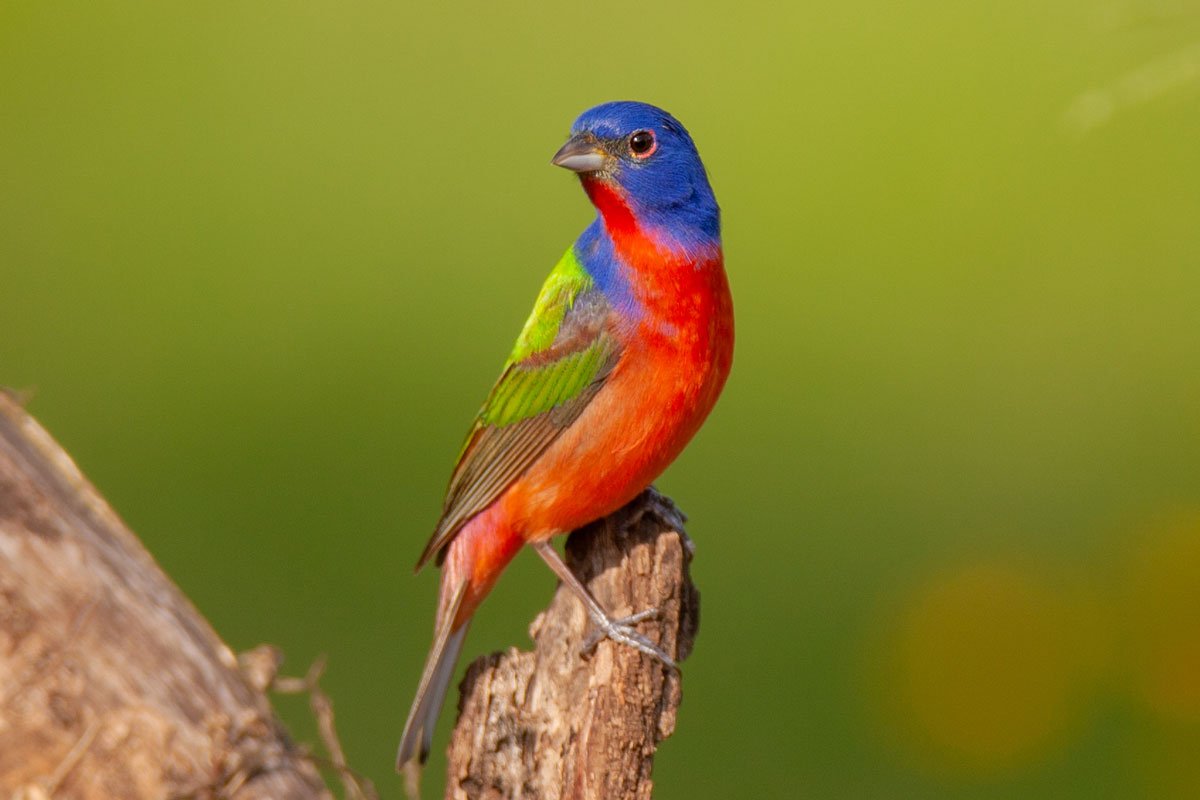
How Census Counts Support Your Wildlife Management Plan Bird surveys are one of the most effective—and often overlooked—ways to qualify for and maintain a wildlife tax exemption in Texas. As part of the required 7 wildlife management practices, bird surveys fall under census counts, helping landowners document wildlife populations and demonstrate active land stewardship. For…
-

Debunking Common Myths About Wildlife Management Tax Valuation
Want to keep your lower property taxes while helping local wildlife? Wildlife Management Tax Valuation lets Texas landowners do exactly that. But there’s a lot of confusion out there about how it works. Let’s clear up the most common misunderstandings. Myth #1: You Have to Let Your Land Go Wild **Reality:** Wildlife management requires active…
-
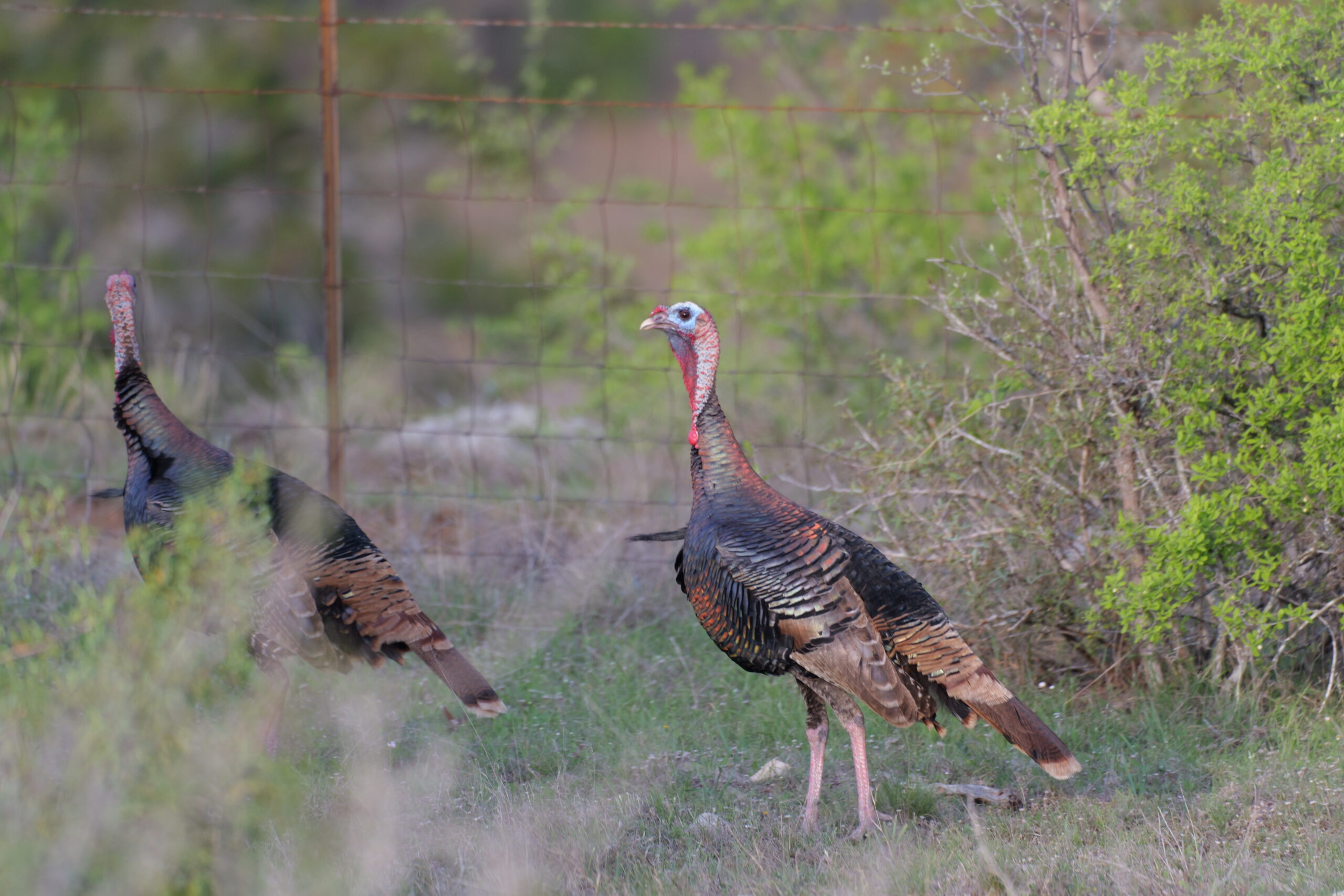
Wildlife Tax Exemption in Hays County, Texas
Wildlife Tax Exemption in Hays County, Texas A Practical Guide for Landowners in Dripping Springs, Driftwood, Wimberley, and San Marcos Owning land in Hays County comes with both opportunity and pressure. Rapid development, rising property values, drought cycles, and increasing wildlife habitat fragmentation have made wildlife management tax valuation one of the most important tools…
-
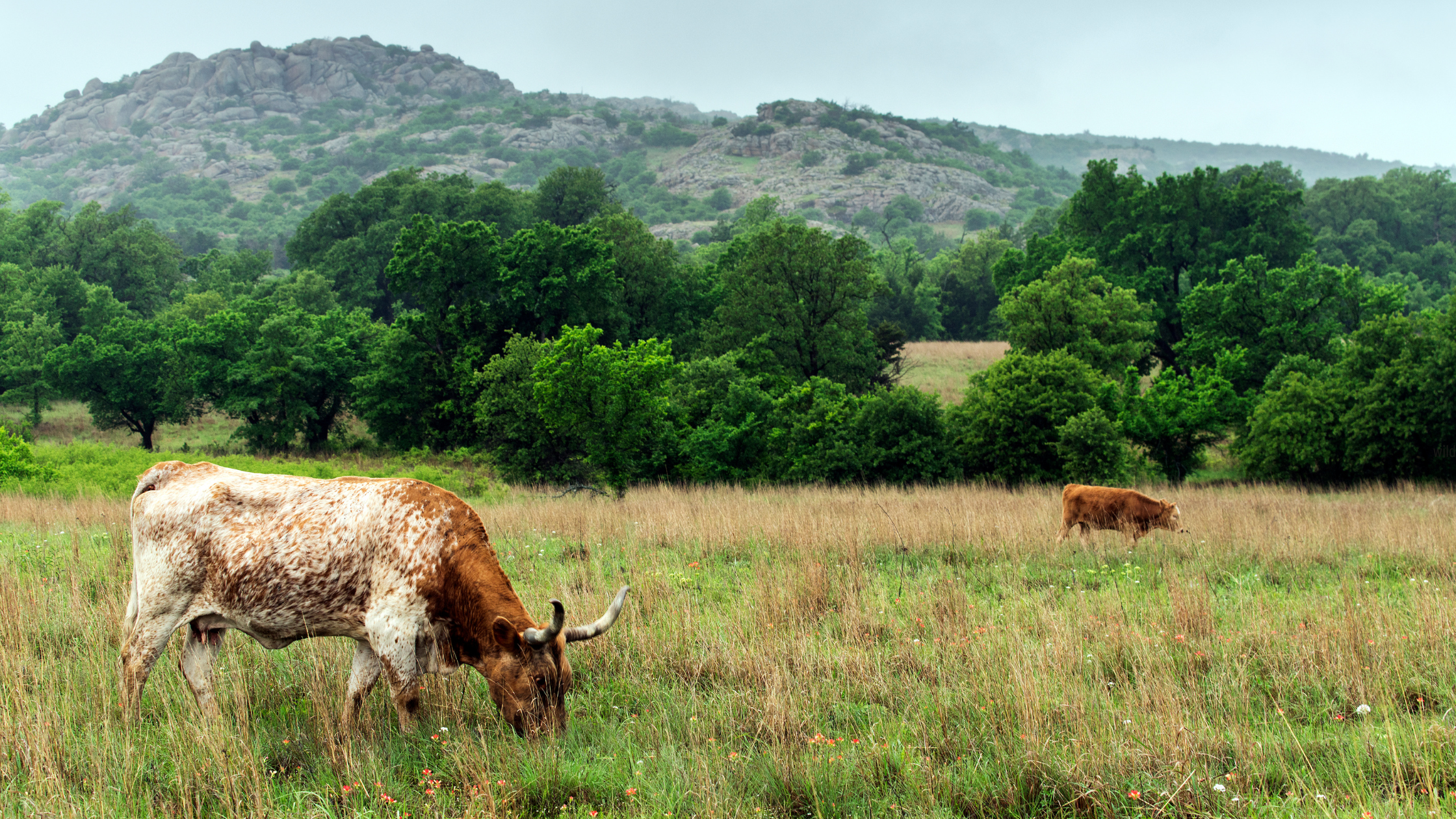
1-d-1 Wildlife Management Tax Valuation Texas
The Complete Guide for Landowners (Hill Country + Statewide) Owning land in Texas comes with opportunity — and responsibility. For many landowners, transitioning from an agricultural exemption to a wildlife management tax valuation is one of the smartest long-term stewardship and financial decisions they can make. But the process can feel confusing. What actually qualifies?What…
-
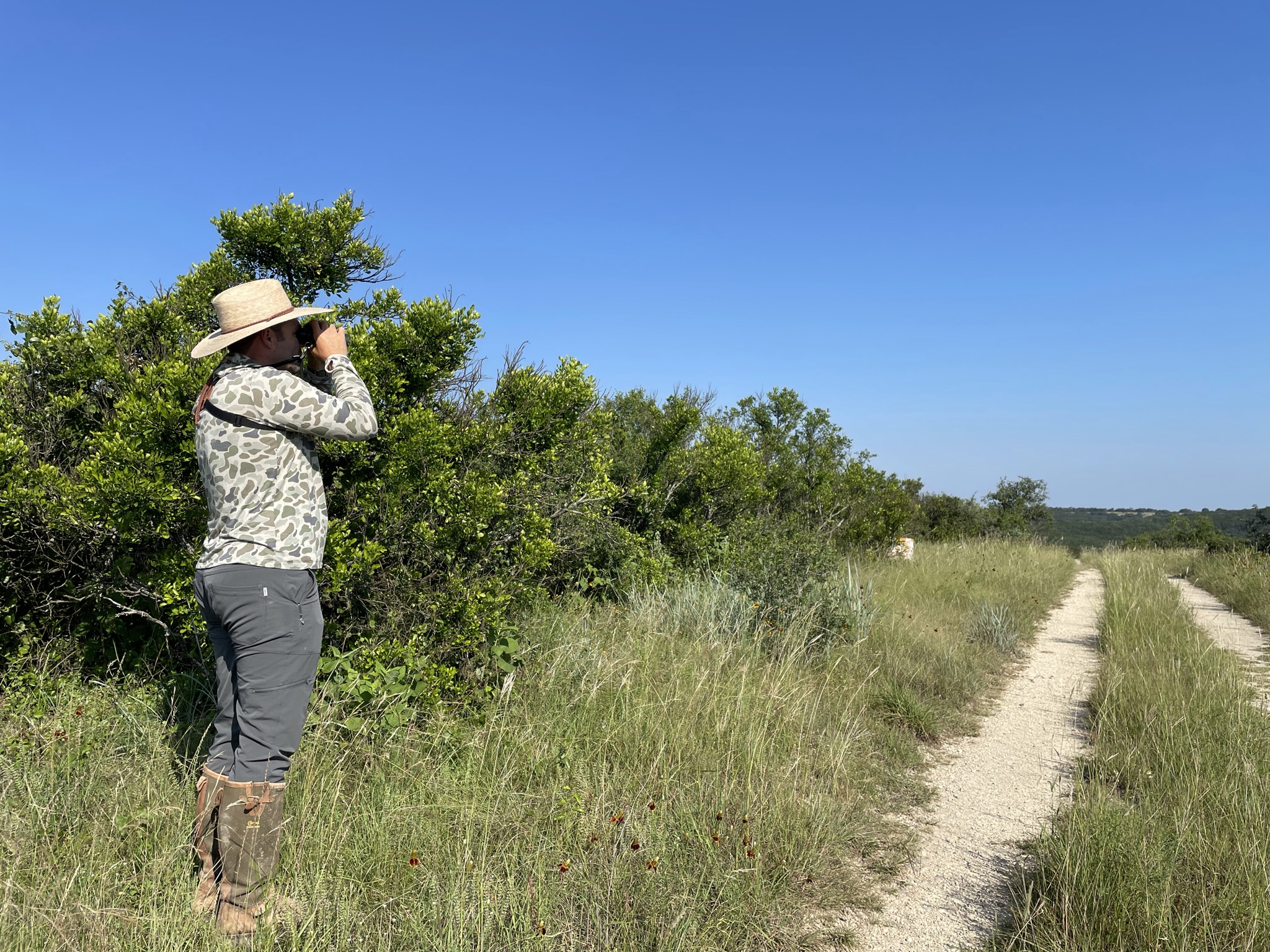
New Landowners Guide to Owning Texas Property
You Bought Land. Now What? A Practical Guide for New Landowners Congratulations. Buying land is a milestone—one that usually comes with big ideas, big plans, and a long to-do list. And then comes the part no one really talks about. Before you clear brush, buy equipment, build fences, or spend thousands of dollars, there are…
-
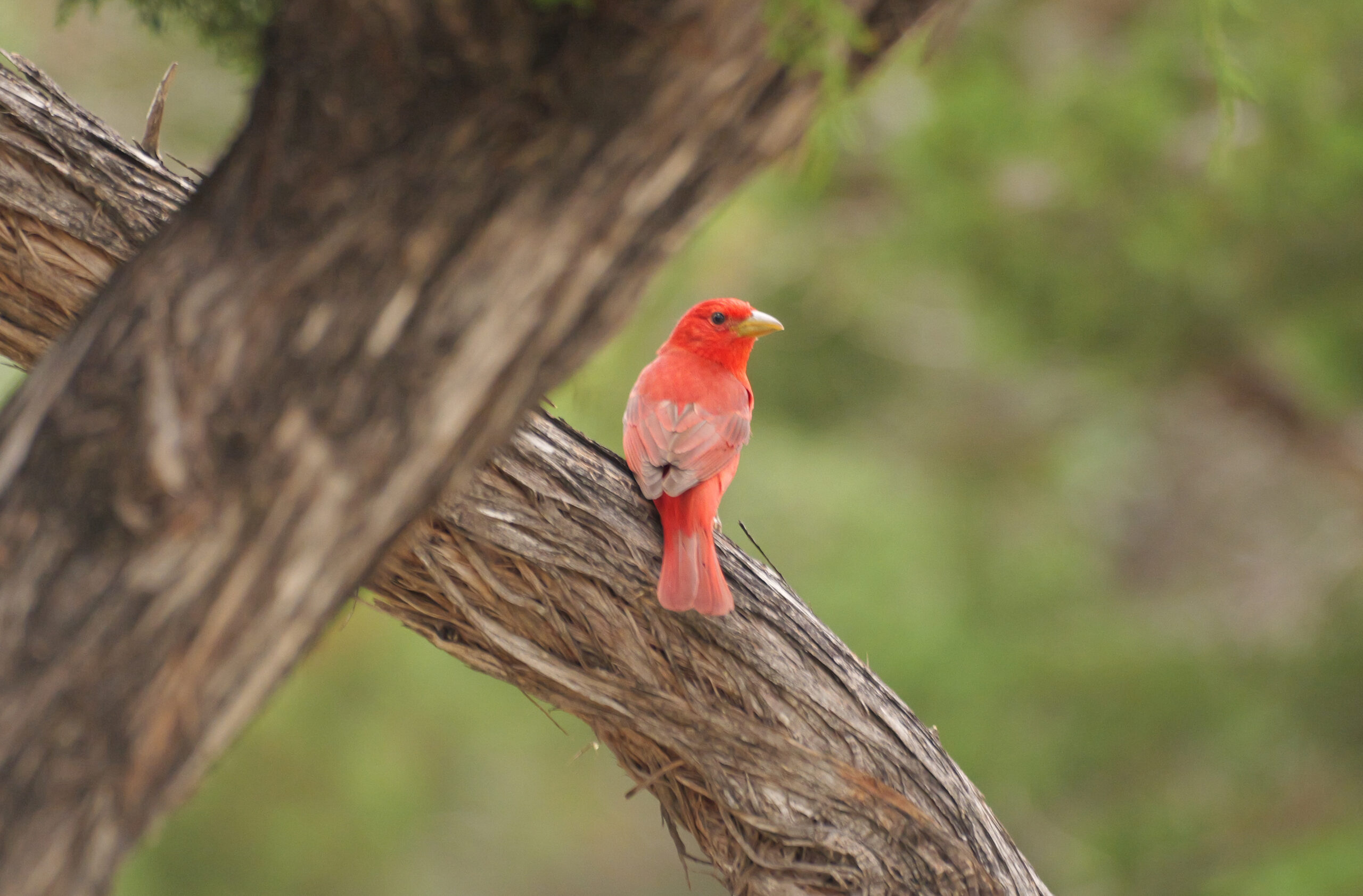
Wildlife Management Projects to Start This Spring & Fall
Seasonal changes provide excellent opportunities for landowners to enhance their wildlife management efforts. Whether you’re preparing for the growing season in spring or making habitat improvements in fall, there are key projects to focus on each season. Here’s a guide to seasonal wildlife management activities that will help maintain your tax valuation and support local…
-
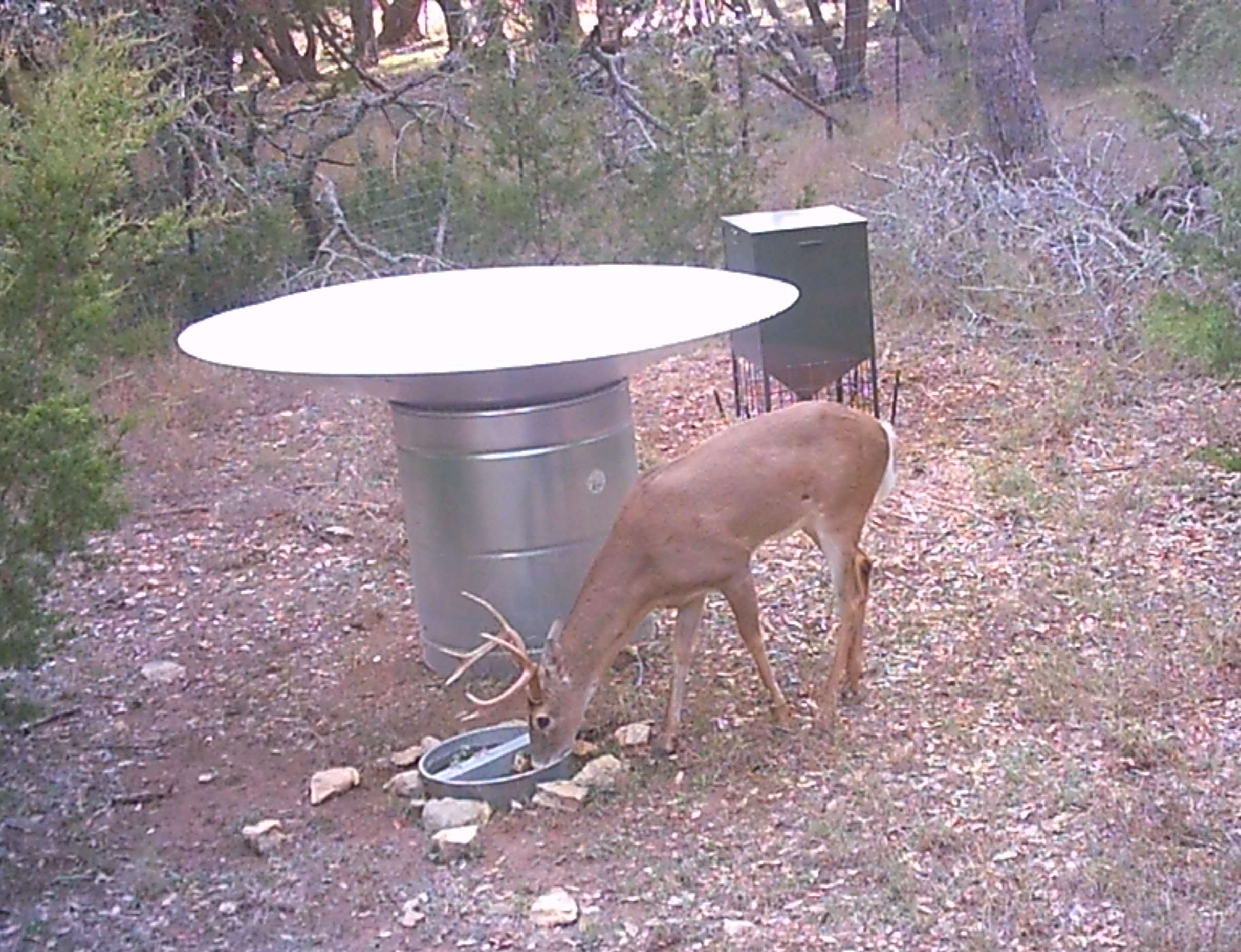
Wildlife Monitoring with Remote Game Cameras & Bioacoustics
A Key Tool for Wildlife Management Plans Monitoring wildlife is essential for effective land management and conservation. Two powerful tools in this endeavor are game cameras and bioacoustic monitoring. These technologies offer unique insights into animal behavior, population dynamics, and ecosystem health, all while helping landowners meet the requirements for Texas’ Wildlife Management Property Tax Valuation (often…