

How Census Counts Support Your Wildlife Management Plan
Bird surveys are one of the most effective—and often overlooked—ways to qualify for and maintain a wildlife tax exemption in Texas.
As part of the required 7 wildlife management practices, bird surveys fall under census counts, helping landowners document wildlife populations and demonstrate active land stewardship.
For properties in Dripping Springs, Hays County, and across the Texas Hill Country, bird surveys can play a key role in both compliance and ecological insight.
What Are Bird Surveys?
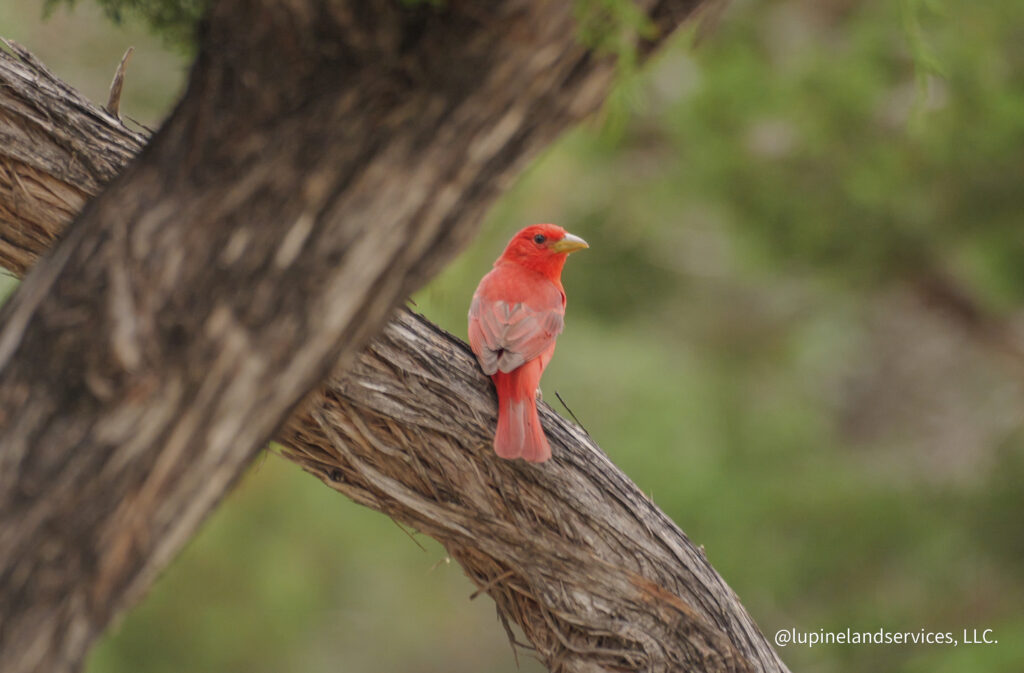
Bird surveys are structured observations used to track:
- Species presence
- Population trends
- Seasonal movement (resident vs migratory birds)
Unlike casual birdwatching, these surveys follow repeatable methods that can be documented and included in your wildlife management plan.
Why Bird Surveys Matter for Wildlife Exemption
To maintain a 1-d-1 wildlife valuation, landowners must:
- Implement at least 3 of 7 qualifying practices
- Show active management
- Keep ongoing documentation
Bird surveys help satisfy the census counts requirement, demonstrating that:
- Wildlife populations are being monitored
- Habitat conditions are being evaluated
- Management decisions are informed by data
Birds are also strong indicators of ecosystem health—making them a practical and meaningful focus.
Common Bird Survey Methods
📍 Point Counts
Standing at designated locations for 5–10 minutes (often at sunrise), recording all birds seen or heard.
🚶 Transects
Walking a consistent path across the property while documenting species and activity.
🎧 Technology-Assisted Surveys
Tools like:
- Merlin Bird ID
- Autonomous Recording Units (ARUs)
- Remote Camera Surveys
These can support identification and long-term monitoring.
When to Conduct Bird Surveys
Timing matters for accurate data:
❄️ Winter Surveys: November – February
Track resident and overwintering species
🌸 Breeding Season Surveys: April – June
Consistent timing year-over-year strengthens your documentation.
Documentation Requirements
For compliance, surveys should include:
- Species list
- Number of individuals observed
- Date and time
- Weather conditions
- Habitat notes
This documentation is submitted (or retained) for your county appraisal district and supports your wildlife management plan.
Can Landowners Do Bird Surveys Themselves?
Yes—but consistency and documentation are key.
Many landowners choose to work with professionals to:
- Ensure methods meet Texas Parks & Wildlife guidelines
- Standardize data collection
- Integrate findings into a broader management plan
How Bird Surveys Fit Into Your Wildlife Management Plan
Bird surveys are most effective when combined with other practices like:
- Supplemental shelter
- Supplemental water
- Predator control (e.g., fire ants)
Together, these create a comprehensive approach that supports both:
👉 Compliance
👉 Long-term land health
Local Expertise Matters
In areas like Dripping Springs and Hays County, understanding:
- Native bird species
- Seasonal patterns
- Habitat types
…can make a significant difference in both survey accuracy and management success.
Final Thoughts
Bird surveys aren’t just a requirement—they’re a window into how your land is functioning.
When done correctly, they:
- Support your wildlife exemption
- Guide better management decisions
- Connect you more closely to your land
Contact us today to schedule your spring or wintering bird survey: