

A Key Tool for Wildlife Management Plans
Monitoring wildlife is essential for effective land management and conservation. Two powerful tools in this endeavor are game cameras and bioacoustic monitoring. These technologies offer unique insights into animal behavior, population dynamics, and ecosystem health, all while helping landowners meet the requirements for Texas’ Wildlife Management Property Tax Valuation (often referred to as a 1-d-1 wildlife exemption).
Game Cameras: Capturing Visual Data for Wildlife Exemption Compliance
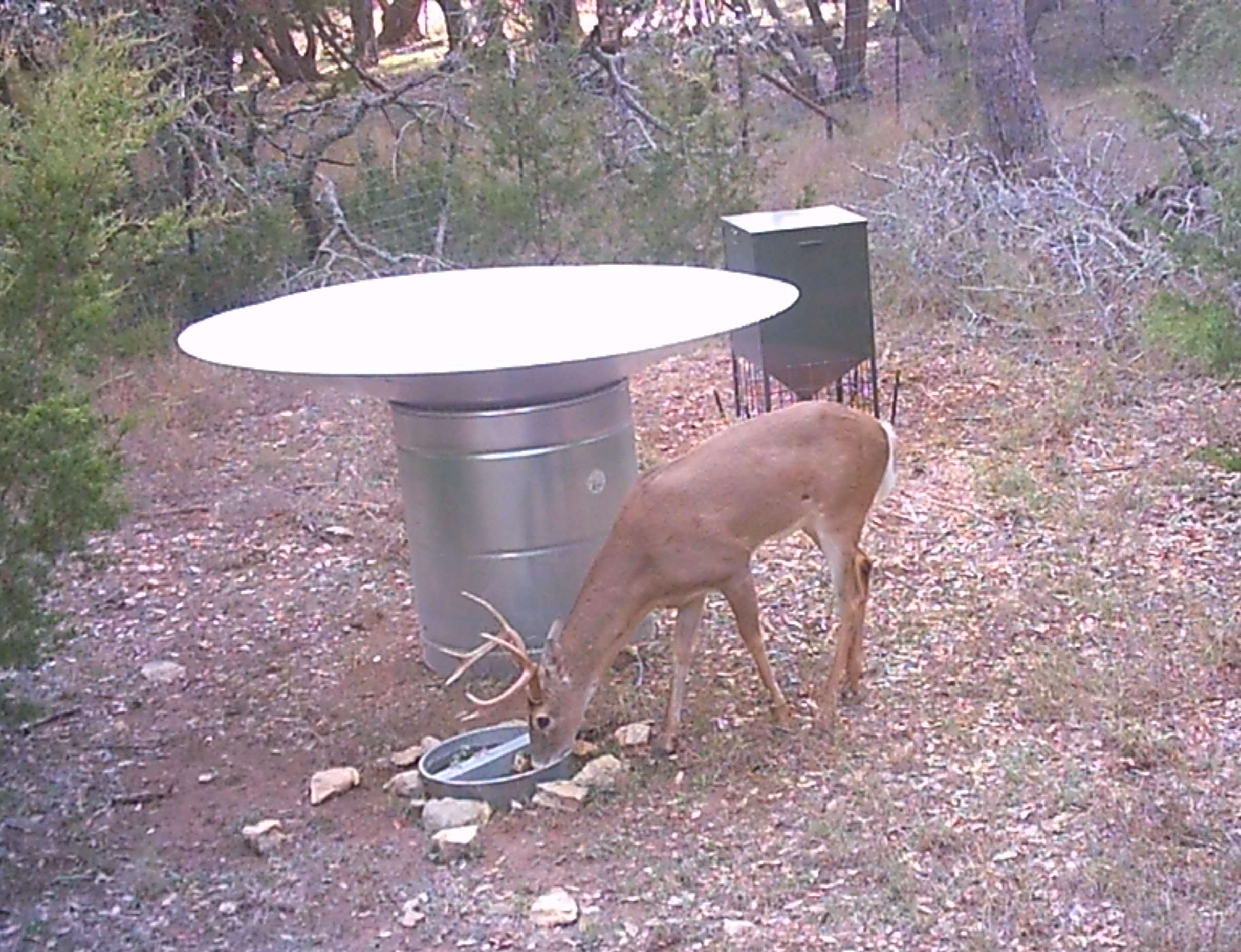
Game cameras, also known as trail cameras, are motion-activated devices that capture images or videos when wildlife passes by. They are invaluable for documenting species presence, behavior, and interactions without human disturbance. Additionally, camera surveys can be set up to qualify as a “Census Activity” under a Texas Wildlife Management Plan, making them a critical tool for landowners looking to maintain their wildlife exemption for property taxes.
%20(2)%20at%20Fee.JPG/:/cr=t:0%25,l:0%25,w:100%25,h:100%25/rs=w:1280 "Game cameras provide valuable intel for wildlife management activities.")
Benefits of Game Cameras for Wildlife Management:
- Wildlife Census Activity: Provides documentation of species diversity and population trends required for wildlife management tax valuation.
- Non-Invasive Monitoring: Capture candid wildlife activities without human interference.
- 24/7 Surveillance: Operate continuously, providing data during day and night.
- Behavioral Insights: Observe feeding habits, territoriality, and social interactions.
Best Practices for Effective Camera Surveys:
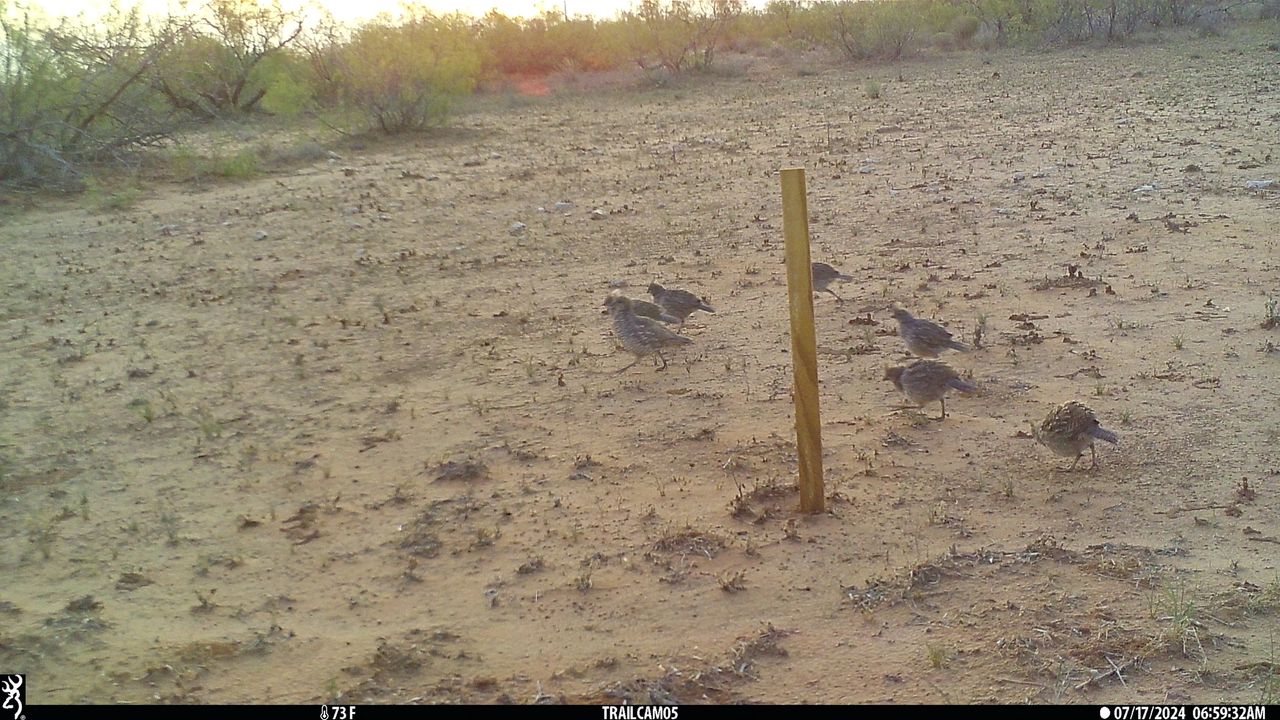
- Strategic Placement: Position cameras along animal trails, water sources, or feeding areas to maximize detections.
- Regular Maintenance: Check batteries, memory storage, and functionality periodically.
- Data Management: Organize and analyze footage systematically to identify species and behaviors.
- Recommended Density: For Texas landowners seeking a wildlife exemption, we recommend at least one camera per 10 acres to ensure sufficient coverage for census activities.
Bioacoustic Monitoring: Listening to the Wild
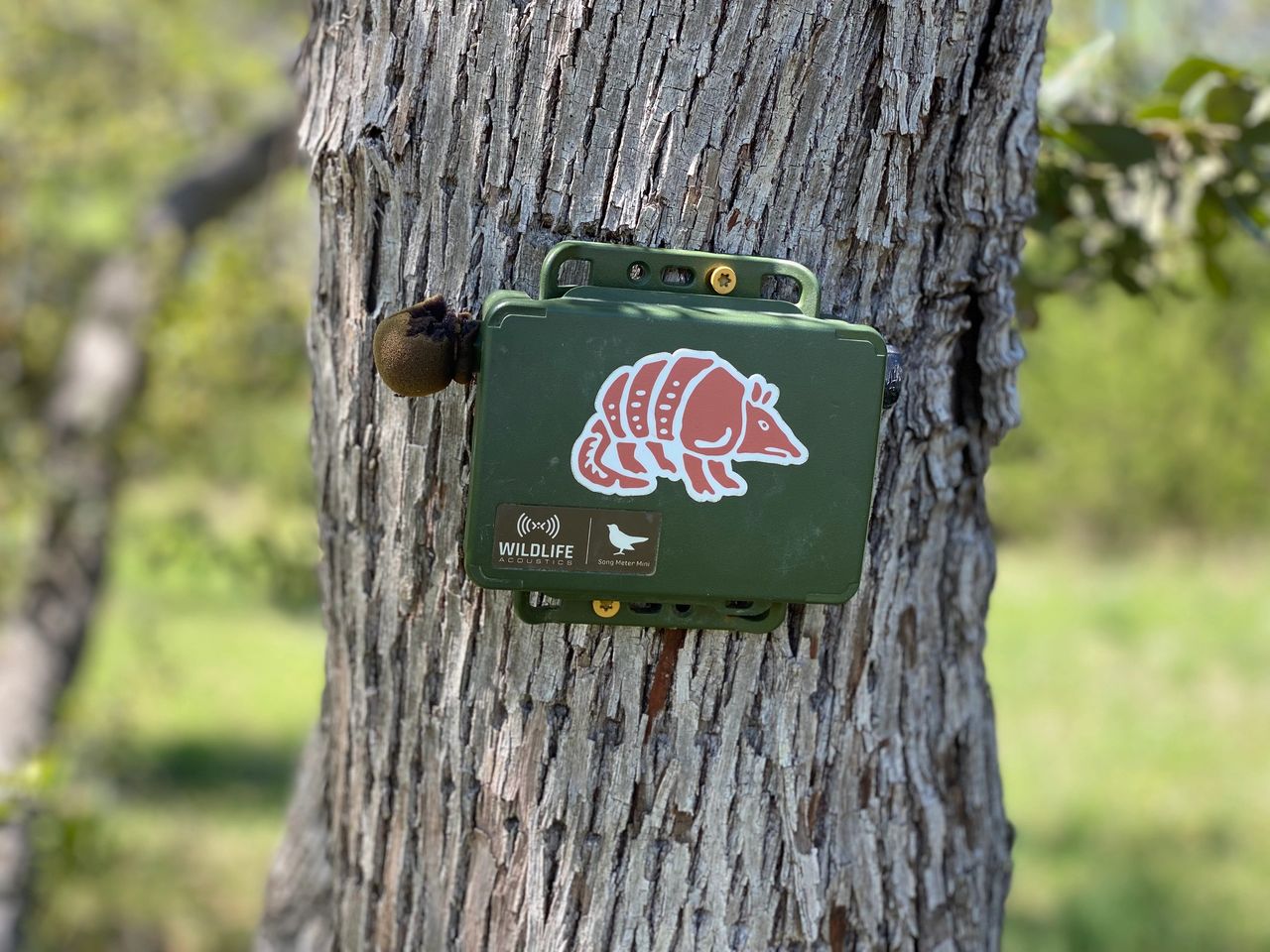
Bioacoustic monitoring involves recording and analyzing environmental sounds to study wildlife. This method is particularly effective for detecting vocal species that are elusive or active during low-light conditions.
Benefits of Bioacoustic Monitoring:
- Broad Detection: Capture sounds from multiple species simultaneously, including birds, amphibians, and mammals.
- Minimal Disturbance: Recordings are made without altering animal behavior.
- Long-Term Data: Continuous recordings provide insights into temporal patterns and habitat use.
Implementation Steps for Bioacoustics:
- Select Appropriate Equipment: Choose recorders suitable for the target species and environment.
- Strategic Deployment: Place devices in areas with minimal human noise interference.
- Data Analysis: Utilize software to identify species-specific calls and analyze acoustic data.
Integrating Both Methods for a Comprehensive Wildlife Management Plan
Combining game camera surveys and bioacoustic monitoring provides a more complete picture of wildlife activity on your property. While game cameras offer visual confirmation and behavioral observations, bioacoustic monitoring can detect species that are heard more often than seen.
Tips for Integration:
- Complementary Deployment: Use game cameras in open areas and bioacoustic recorders in dense habitats.
- Synchronized Data Collection: Align the timing of deployments to correlate visual and acoustic data.
- Holistic Analysis: Combine datasets to gain a fuller picture of species diversity and activity patterns.
By employing both technologies, Texas landowners can enhance their wildlife management plans, improve conservation efforts, and ensure compliance with wildlife exemption requirements for property tax valuation.
Get Expert Help with Your Wildlife Management Plan
At Lupine Land Services, we assist landowners with tailored wildlife management plans, camera survey setup, paperwork, and compliance to ensure you maintain your wildlife exemption and maximize your land’s ecological potential.
📞 512-708-0054
🌱 info@lupinelandservices.com
Start planning your wildlife management projects today!