
You Bought Land. Now What? A Practical Guide for New Landowners
Congratulations.
Buying land is a milestone—one that usually comes with big ideas, big plans, and a long to-do list.
And then comes the part no one really talks about.
Before you clear brush, buy equipment, build fences, or spend thousands of dollars, there are a few foundational steps every new landowner should take first.
Good stewardship doesn’t start fast. It starts thoughtfully.
The First Things Every New Landowner Should Do
If you recently purchased rural land, especially in Texas, focus on these three things first:
- Understanding your agricultural or wildlife exemption
- Learning your land before changing it
- Planning before spending
These steps protect your investment, your tax valuation, and the land itself.
Ag vs. Wildlife Management: Know the Difference
One of the most common points of confusion for new landowners is the difference between traditional agricultural use and wildlife management.
Both can qualify for an agricultural valuation—but they are not the same thing, and the requirements matter.
Traditional Agricultural Use
Traditional ag use typically includes activities like:
- Livestock grazing
- Hay production
- Crop production
- Improved pasture management
These uses often involve visible production and regular activity, which many counties expect to see documented.

Wildlife Management Valuation
Wildlife management is not a separate exemption—it is a qualifying agricultural use if your land was previously in ag use and meets county requirements.
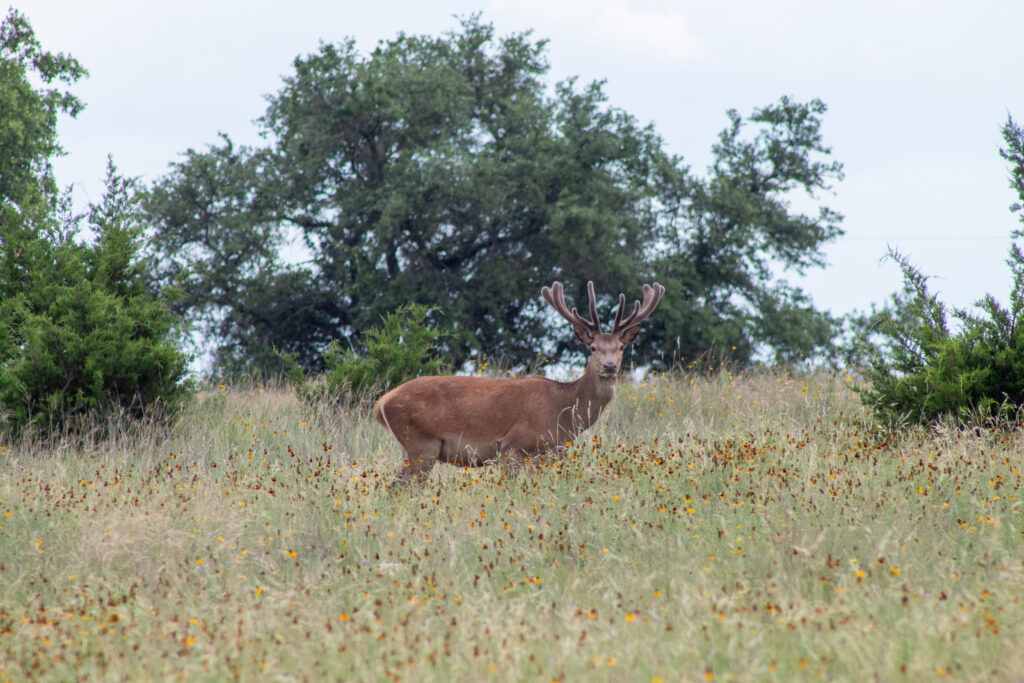
Wildlife management focuses on:
- Habitat improvement
- Supplemental water
- Supplemental food
- Predator management
- Census counts and monitoring
Counties generally require:
- A wildlife management plan
- Ongoing documentation
- A minimum number of qualifying practices each year
Wildlife management is often appealing to landowners who want to:
- Reduce intensive livestock pressure
- Improve habitat and biodiversity
- Manage land more holistically
1. Understanding Your Ag or Wildlife Exemption (Before the Deadline)
One of the most common—and costly—mistakes new landowners make is misunderstanding the agricultural/wildlife exemption process.
Ag/Wildlife Exemption Deadline: April 30
If you purchased land in 2025 or need to reapply, you must submit your agricultural or wildlife exemption application by April 30 to qualify for the current tax year.
An ag or wildlife exemption (also called agricultural valuation or special valuation) allows your property to be taxed based on agricultural use, not market value—often reducing property taxes dramatically.
Wildlife Management Valuation Page
Important Note on Rollback Taxes
Failing to apply—or failing to maintain eligibility—can result in rollback taxes.
Rollback taxes:
- Can include up to three previous years
- Are assessed at market value, not ag value
- Often include interest and penalties
For many landowners, this is the single biggest financial surprise they encounter after purchasing land.
2. Learn Your Land Before You Change It
There’s a strong urge to “get started” right away once you own land.
But land operates on seasons, patterns, and history—not timelines.
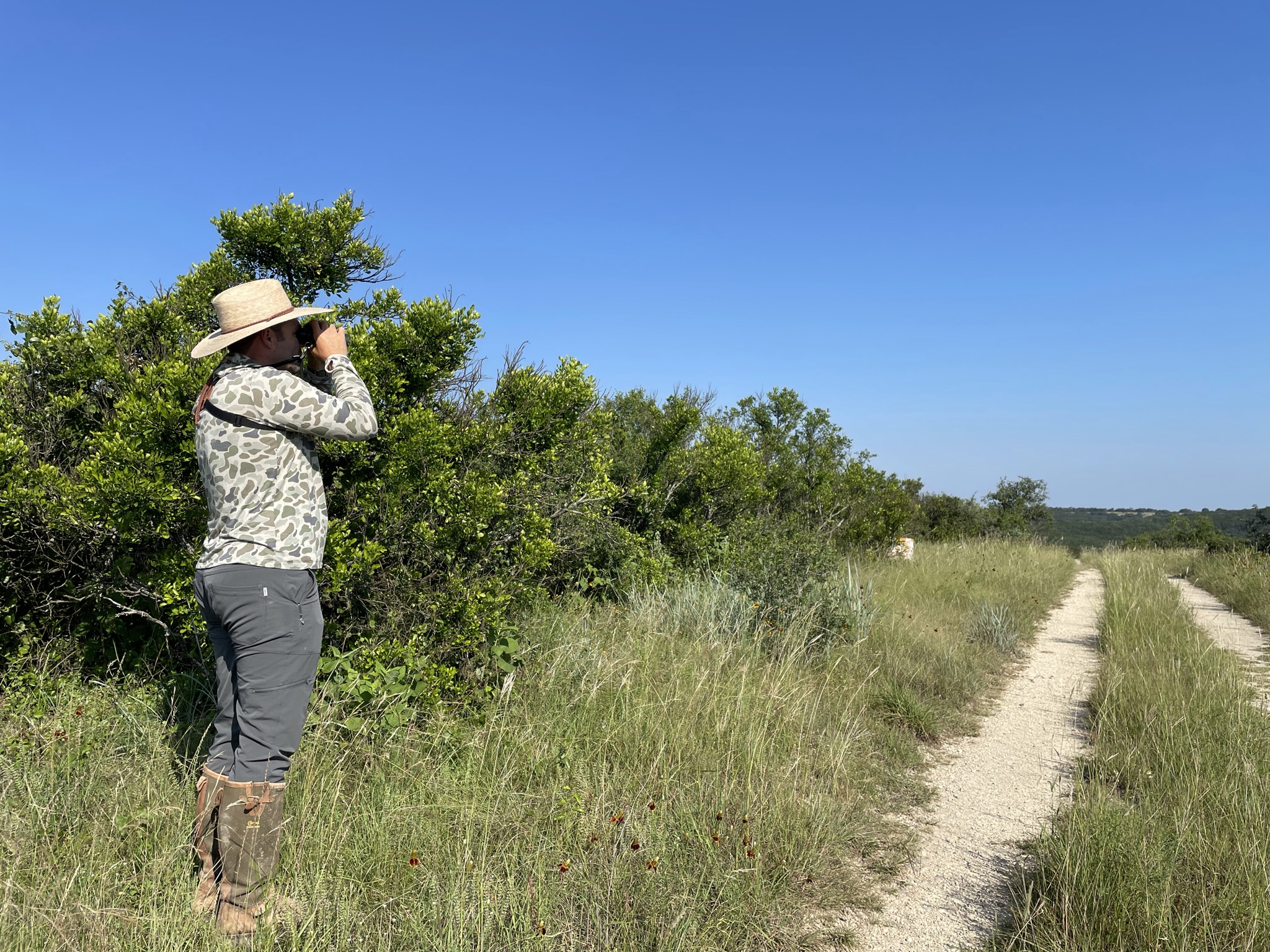
Before making major changes, spend time observing:
- Drainage patterns after heavy rain
- Areas that stay wet or dry year-round
- Native and invasive plant growth across seasons
- Wildlife movement, bedding, and travel corridors
- Sun exposure and prevailing winds
Rushing into improvements without understanding these basics often leads to:
- Poorly placed infrastructure
- Ineffective habitat work
- Expensive do-overs later
3. Plan Before You Spend
Rural land can absorb money quickly—especially without a plan.
Before investing in equipment, livestock, fencing, or habitat work, ask:
- What does the county require to keep my exemption?
- What management practices align with my long-term goals?
- What work should happen this year versus later?
- How can improvements work with the land instead of against it?
A simple, realistic plan can save years of unnecessary expense and frustration.

Good Stewardship Starts Slower Than Most People Expect
Owning land isn’t about doing everything at once.
It’s about making informed, intentional decisions that:
- Protect your tax valuation
- Support healthy ecosystems
- Respect the land’s natural systems
- Set you up for long-term success
Starting slow is often the smartest thing you can do.
New Landowner FAQ
What should I do first after buying land?
The first priorities after buying land are understanding your exemption status, learning how your land naturally functions, and creating a plan before making major changes or spending money.
When is the ag/wildlife exemption deadline in Texas?
The ag/wildlife exemption application deadline is April 30 for the current tax year. Missing this deadline can jeopardize eligibility and lead to rollback taxes.
What happens if I miss the ag exemption deadline?
If you miss the deadline or fail to maintain eligibility, your property may be taxed at market value and you could owe up to three years of rollback taxes, plus interest.
Do I need livestock right away to qualify for an ag exemption?
Not necessarily. Eligibility depends on the type of agricultural use, county requirements, and proper documentation. Wildlife management, beekeeping, and other qualifying uses may meet requirements if implemented correctly.
Beekeeping Services
Wildlife Management Valuation
How long should I wait before making changes to my land?
Many land professionals recommend observing your property for at least one full year to understand seasonal patterns, water flow, plant communities, and wildlife activity before making major changes.
Is it worth hiring a land consultant as a new landowner?
Yes. Early guidance can help prevent costly mistakes, ensure tax compliance, and create a clear roadmap for managing your land efficiently and sustainably.
Schedule a Land Consultation
A Simple New Landowner Checklist
If you’re feeling overwhelmed, start here:
- ✅ Confirm ag exemption eligibility
- ✅ Submit application by April 30
- ✅ Observe land through seasons
- ✅ Identify long-term goals
- ✅ Create a realistic management plan
The land will tell you what it needs—if you give it time.
How Lupine Land Services Can Help
Lupine Land Services works with new and existing landowners to:
- Navigate ag exemption requirements
- Develop wildlife and land management plans
- Avoid costly early mistakes
- Build stewardship strategies that last
Work With Lupine Land Services: CONTACT US TODAY