

Seasonal changes provide excellent opportunities for landowners to enhance their wildlife management efforts. Whether you’re preparing for the growing season in spring or making habitat improvements in fall, there are key projects to focus on each season. Here’s a guide to seasonal wildlife management activities that will help maintain your tax valuation and support local ecosystems.
Spring Wildlife Management Projects
Spring is a time of renewal, making it ideal for habitat restoration and supporting breeding wildlife.
1. Plant Native Vegetation (March – May) – Enhance food sources and cover by planting native grasses, flowers, and shrubs. Early spring is the ideal time for re-seeding native range enhancement.
2. Control Invasive Species – Target invasive species like red imported fire ants (IRFA) and Brown-headed cowbirds to control the spread of these aggressive and detrimental species.
- IRFA pose a significant threat to native wildlife by preying on ground-nesting birds, disrupting insect populations, and competing with native species for resources.
- Cowbird trapping can be conducted during this time as well – Implement cowbird trapping strategies to reduce nest parasitism in native songbird populations.
3. Set Up Nesting Boxes – Provide shelter for birds, bats, and other cavity-nesting species. For best practices for nest box placement, boxes should be placed in open or semi-open habitats and should face northeast to minimize heat.
- Monitor annually for predators, occupancy, and successful breeding.
- Clean boxes in late winter (January-February) before the breeding season begins and again in early fall (September-October) after nesting season is over.
- Inspect annually for repair, upkeep, and replacement.
- Retain documentation such as a map of nest box locations, photos, and records of installation and monitoring for appraisal district requests.
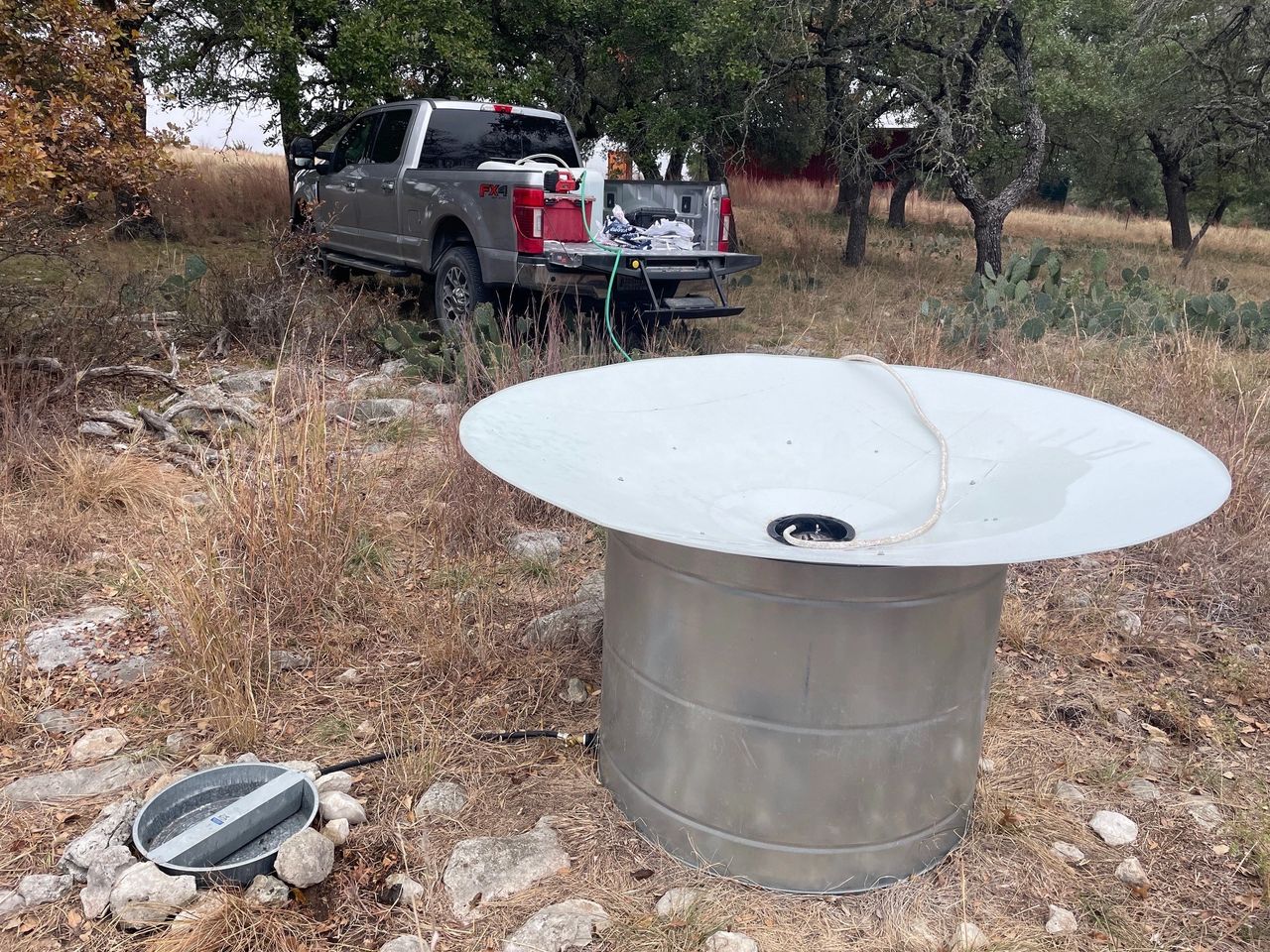
4. Improve Water Sources – Clean and maintain water troughs and dog pans, or add rainwater collection systems.
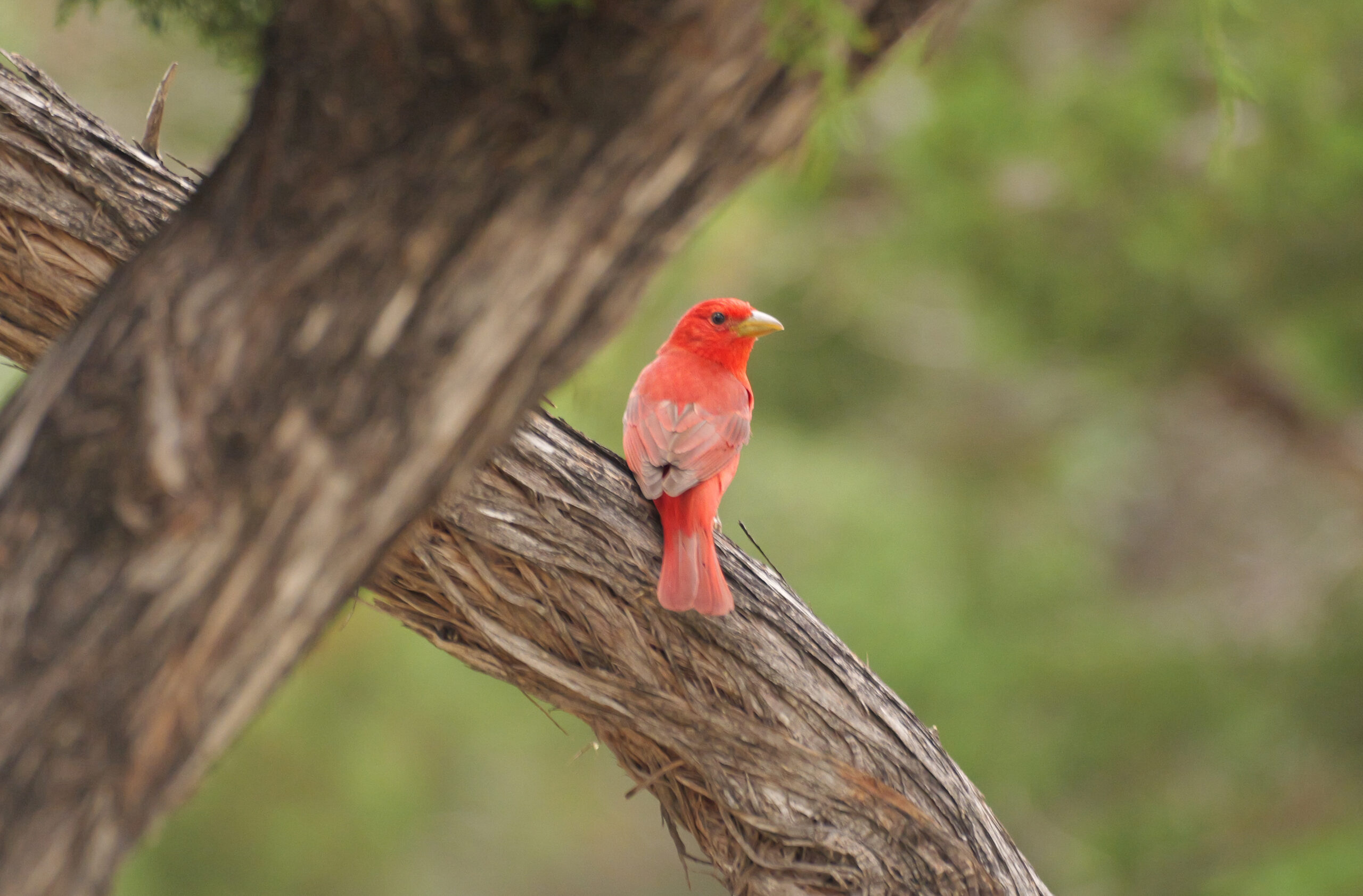
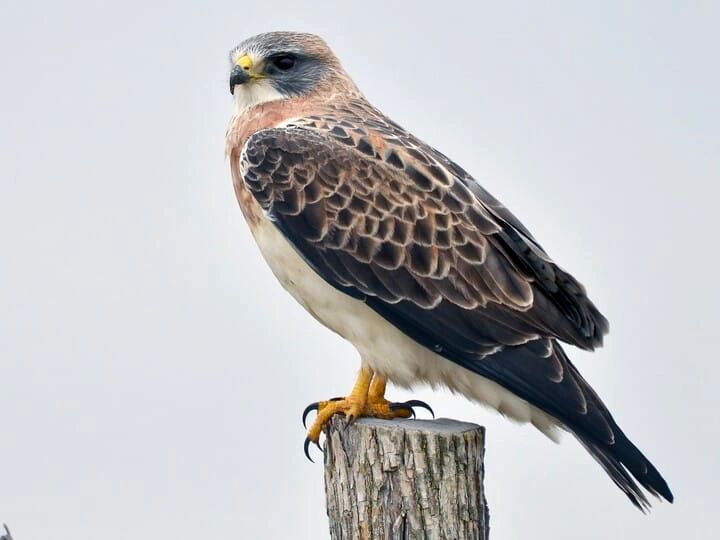
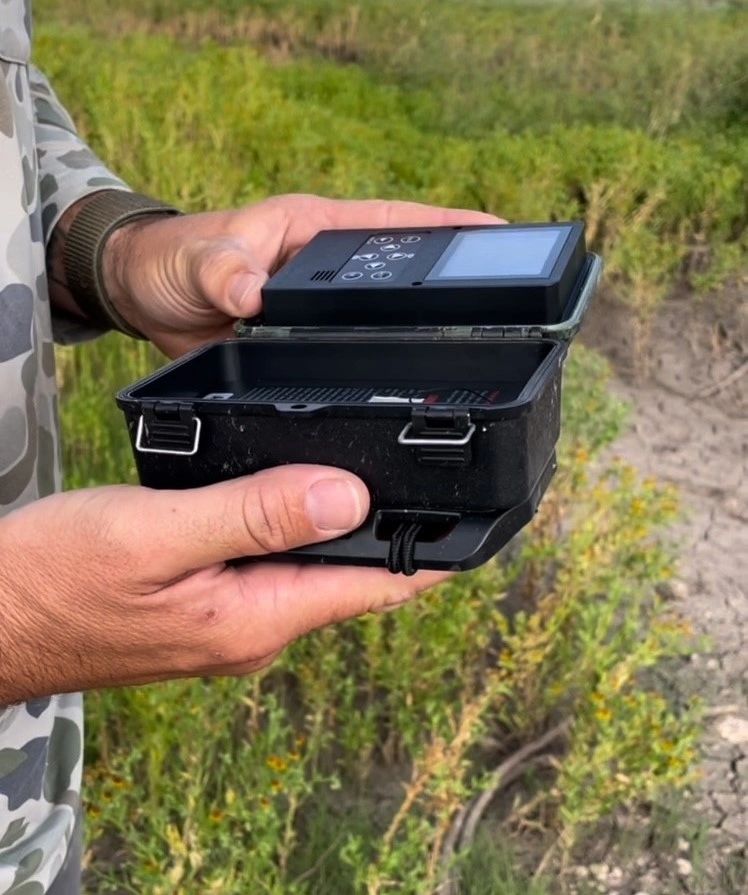
5. Conduct Bird Surveys – Monitor habitat usage through remote game camera census (RCC) or in-person field surveys. Survey results reveal a range of wildlife species inhabiting the property, highlighting the importance of management activities.
6. Host a Site Visit with a Wildlife Biologist – Engage with a wildlife biologist to assess management practices and to make sure your property is in compliance.
7. Feeder Refills – Maintain supplemental feeding stations for wildlife support. Make sure to clean out any moldy or pest infested feed, ensuring that the food source is healthy and clean. You wouldn’t eat off a dirty plate at a restaurant and wildlife don’t want to either!
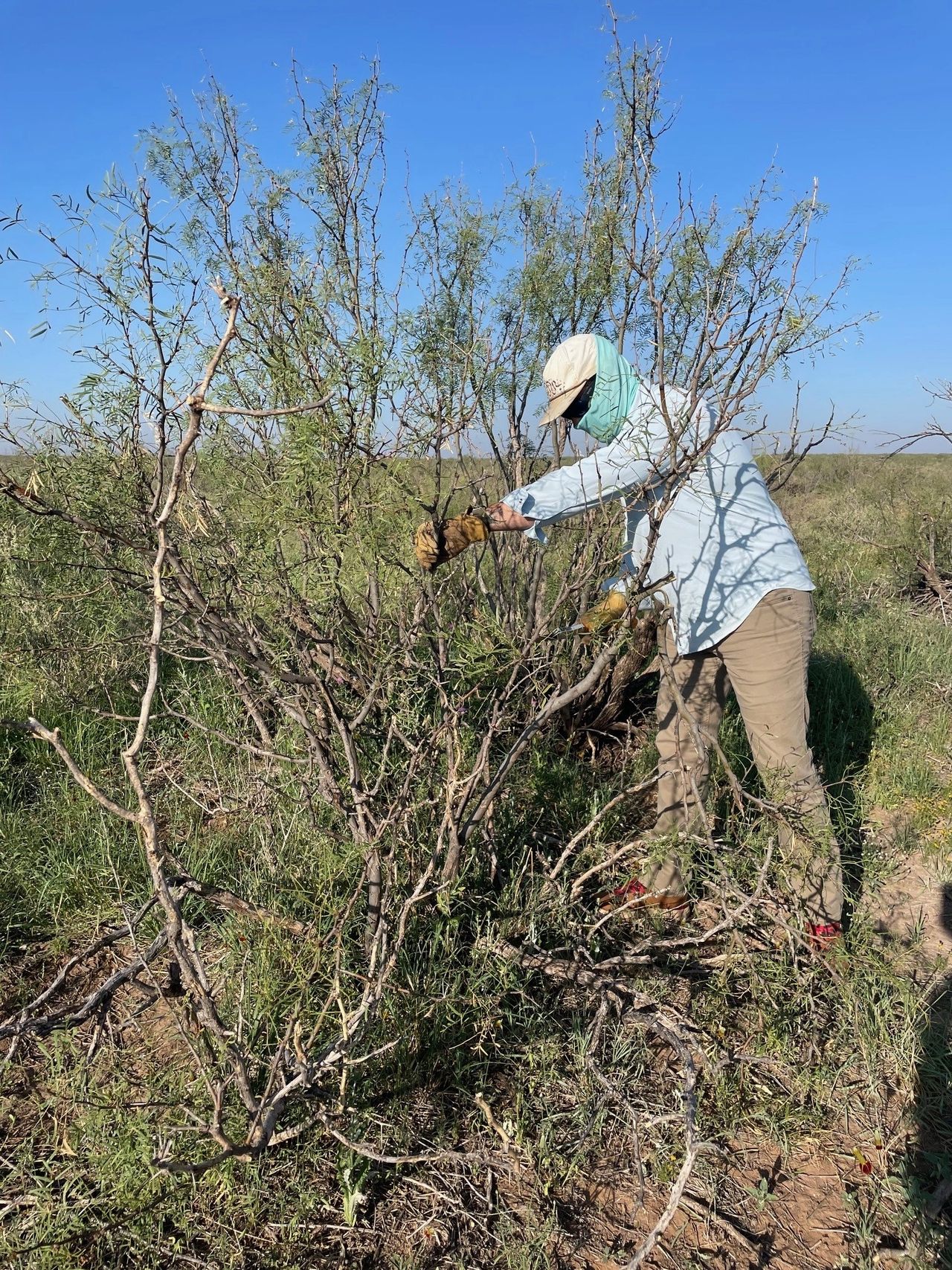
8. Conduct Half Cutting – Implement half-cutting techniques to improve cover and nesting habitat for ground-dwelling wildlife like quail.
Fall Wildlife Management Projects
As temperatures cool, fall is the perfect season to prepare your land for winter and the next growing cycle. Many of the spring activities can be repeated in the fall.
1. Enhance Shelter Areas:
- Create brush piles or maintain standing vegetation to provide cover for wildlife.
- Nest boxes and bat boxes can be installed between September and February to promote nesting success.
2. Supplemental Feeding – Provide food sources for overwintering species, such as planting food plots or maintaining feeders.
- Food Plots – Planting from August to November provides a reliable food source for winter.
- Feeders and Mineral Supplementation – Maintain year-round, but ensure resources are available as natural food sources dwindle.
3. Erosion Control Measures – Implement native plantings or install erosion control barriers to stabilize soil before winter rains.
- Native Plant Establishment – Fall (September to November) is an excellent time to establish native plants on erodible areas.
- Streamside, Pond, and Wetland Revegetation – Conducted from September through November to reinforce riparian habitats.
4. Monitor Predator Populations – Adjust predator control strategies to protect nesting and young wildlife.
- Red Imported Fire Ant (IRFA) Control – Conducted September through November to suppress winter expansion.
- Cowbird Trapping – Continued efforts through fall can reduce nest parasitism next breeding season.
5. Census and Monitoring
- Spotlight Counts – Conduct from August through November to assess deer populations.
- Aerial Counts – Recommended from August to November for larger properties.
- Roost Counts – Best performed from September through November to monitor bird populations.
6. Improve Water Sources
- Clean and Maintain Ponds – Prevent algae buildup and ensure healthy aquatic habitats.
- Install Water Troughs or Rainwater Collection Systems – Providing consistent water sources benefits all wildlife.
7. Plan for Spring Projects – Evaluate the effectiveness of past projects and develop strategies for the upcoming spring.
Get Expert Help with Your Teas Wildlife Management Plan
At Lupine Land Services, we assist landowners with tailored wildlife management plans, paperwork, and compliance to ensure you maintain your tax valuation.
📞 512-707-0054
🌱 info@lupinelandservices.com
Start planning your seasonal wildlife management projects today!