3 of 7 Wildlife Management Practices Texas | 1-d-1 Guide for Landowners
If you’re considering a wildlife management tax valuation (1-d-1) in Texas, you’ve probably heard the phrase:
“3 of 7 practices.”
But what does that actually mean?
In simple terms, landowners must actively implement at least 3 out of 7 approved wildlife management practices to qualify and maintain their valuation.
The good news? Most properties are already capable of meeting this requirement with the right approach.
What Are the 7 Wildlife Management Practices in Texas?
The Texas Parks and Wildlife Department recognizes the following:
- Habitat Control (Habitat Management)
- Erosion Control
- Predator Control
- Providing Supplemental Water
- Providing Supplemental Food
- Providing Shelter
- Census Counts (Population Monitoring)
To qualify, you must actively implement at least three of these in a way that supports native wildlife.
Pro Tip: Don’t Stop at 3 Practices
While the requirement is to implement 3 of the 7 wildlife management practices, it’s often a smart move to include a fourth.
Why? Because not every practice performs the same way every year.
- Weather conditions can impact results
- Wildlife usage can vary
- Timing or intensity may fall short of expectations
- Some activities may not fully meet county interpretation
By incorporating a fourth practice, you create a buffer — ensuring your property remains in good standing even if one activity underperforms or needs adjustment.
In many cases, this looks like pairing your core practices (habitat control, food, water) with wildlife monitoring, such as bird surveys or camera data.
It’s a simple way to strengthen your management approach and avoid potential issues down the road.
Most experienced land managers build in this extra layer from the start.
The Most Common 3 Practices (and Why They Work)
In the Texas Hill Country, most landowners naturally fall into these three:
1. Supplemental Food
Supplemental feeding provides consistent nutrition, especially during stressful seasons.
Examples:
- Free-choice wildlife feeders (accessible year-round)
- Protein-based feed instead of just corn
- Placement that minimizes overcrowding
Consistency is key — it’s not just putting feed out occasionally.
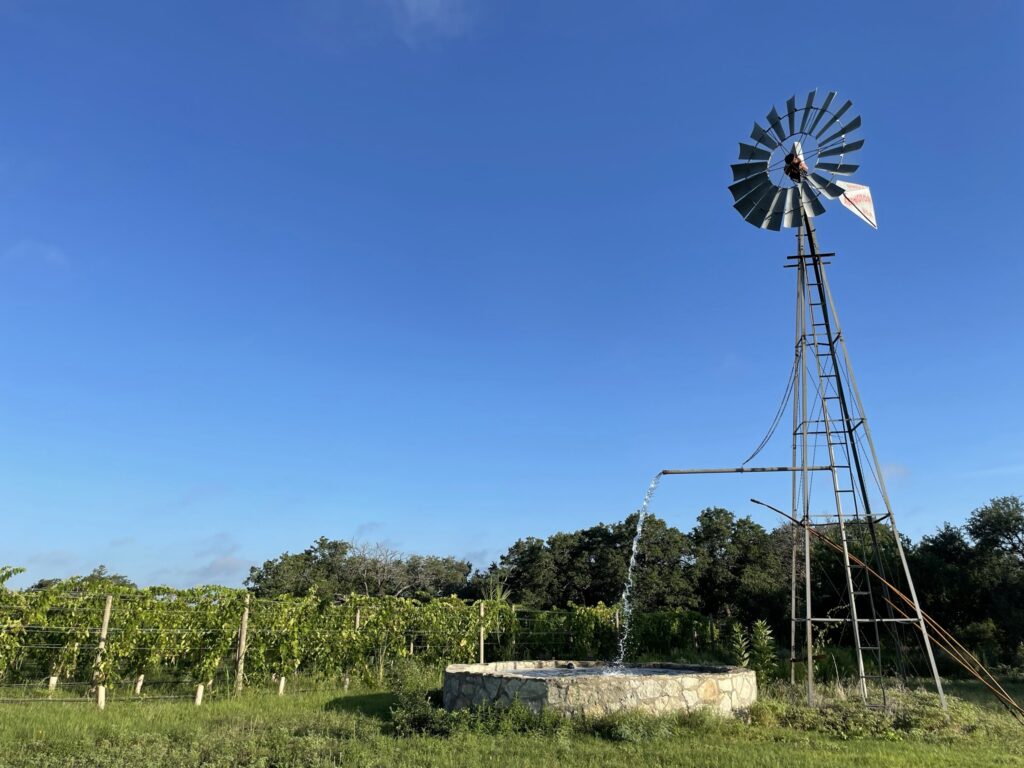
2. Supplemental Water
Water can be one of the most limiting factors for wildlife.
Examples:
- Rainwater collection systems
- Wildlife troughs or small guzzlers
- Maintaining clean, reliable access
In the Hill Country, this is especially important during dry periods.
3. Census Counts (Monitoring Wildlife)
Monitoring is how you document that your land is supporting wildlife.
For many landowners, this includes:
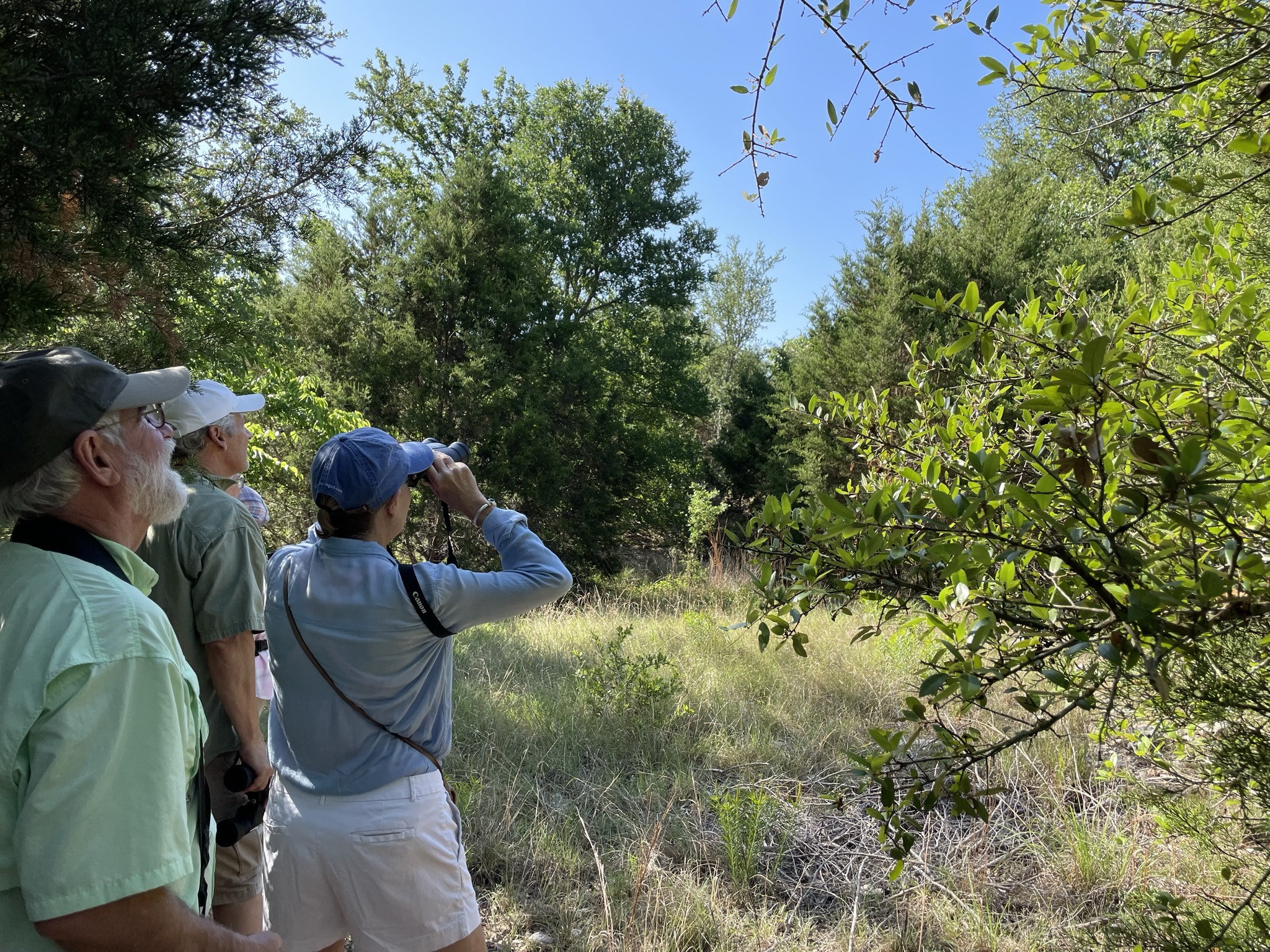
- Spring bird surveys (point counts)
- Trail cameras for small mammals
- Wildlife Journal
- Observational records over time
This practice is often the most enjoyed by landowners and can be exciting to see growth and changes season by season.
Other Practices
Depending on your property, you may also incorporate:
Erosion Control
- Stabilizing soil
- Managing runoff
- Protecting slopes and waterways
Predator Control
- Managing populations when necessary like Imported Red Fire Ants and feral hogs
- Focused, responsible approaches
Providing Shelter
- Brush piles
- Nesting structures
- Maintaining cover for wildlife
What Counts (and What Doesn’t)
One of the biggest misconceptions is that any activity qualifies.
In reality:
- Activities must be intentional and consistent
- They must be documented
- They must align with wildlife goals
Pro Tip: Documentation Matters More Than You Think
Even when a county doesn’t require an annual report, documenting your activities is critical.
Wildlife management isn’t just about doing the work — it’s about being able to show that you’ve done it.
That means keeping records like:
- Site visits and notes from time spent on the property
- Photos before and after management activities
- Receipts for feed, equipment, or materials
- Dates and details of practices implemented (feeding, water, surveys, etc.)
- Wildlife observations or survey results
Think of it as building a simple, ongoing record of your work.
Because if a county appraisal district ever requests documentation, you don’t want to be scrambling to piece things together after the fact.
Having organized records makes that process straightforward and stress-free — and helps demonstrate that your management is consistent and intentional.
Good documentation doesn’t just support your valuation — it protects it.
How to Choose the Right 3 Practices
Every property is different.
The best approach depends on:
- Size and layout
- Existing vegetation
- Water availability
- Wildlife present
- Past land use
That’s why two neighboring properties may implement completely different strategies — and both still qualify.
What We’re Seeing Right Now in the Field
This time of year, most landowners are actively implementing:
- Installing and maintaining feeders
- Setting up water systems during the rainy season
- Beginning spring wildlife surveys
This is when planning transitions into real, on-the-ground results.
FAQ
What are the 3 of 7 wildlife management practices in Texas?
They refer to the requirement that landowners must implement at least 3 of the 7 approved wildlife management practices to qualify for a wildlife management tax valuation.
Do I have to do the same 3 practices every year?
Not necessarily, but your management should remain consistent and aligned with your overall 5 year plan.
Is feeding wildlife enough to qualify?
No. Feeding alone is typically not sufficient — it should be part of a broader strategy that includes other practices.
What is the easiest combination of practices to start with?
Many landowners begin with supplemental shelter, supplemental food, and wildlife census monitoring.
Closing
The “3 of 7” requirement isn’t meant to be complicated.
It’s designed to ensure that landowners are actively supporting wildlife in meaningful ways.
With the right combination of practices, most properties can meet the requirements — and often exceed them.
Leave a Reply