How to Qualify for a Wildlife Management Tax Valuation in Texas Using Native Songbirds
If you’ve searched for how to reduce property taxes on your Texas land, you’ve likely come across the wildlife management tax valuation (1-d-1).
What many landowners don’t realize is that managing for native and migratory songbirds is one of the most common and approachable ways to qualify.
And in the Texas Hill Country, it’s often the best place to start.
What Is a Wildlife Management Tax Valuation in Texas?
The wildlife management tax valuation allows landowners to maintain an agricultural valuation by actively managing their property for wildlife.
Instead of traditional ag uses like livestock, landowners implement practices that support native species and habitat.
To qualify, properties must:
- Have a history of agricultural use
- Implement approved wildlife management practices
- Maintain a level of activity that meets county expectations
Why Songbirds Are the Most Common Approach
Songbirds are often the easiest and most effective entry point for wildlife management.
Why?
- They are already present on most properties
- They respond quickly to habitat improvements
- Management practices are flexible and scalable
- Monitoring is straightforward through seasonal surveys
In areas like Dripping Springs, Wimberley and throughout the Texas Hill Country, species like:
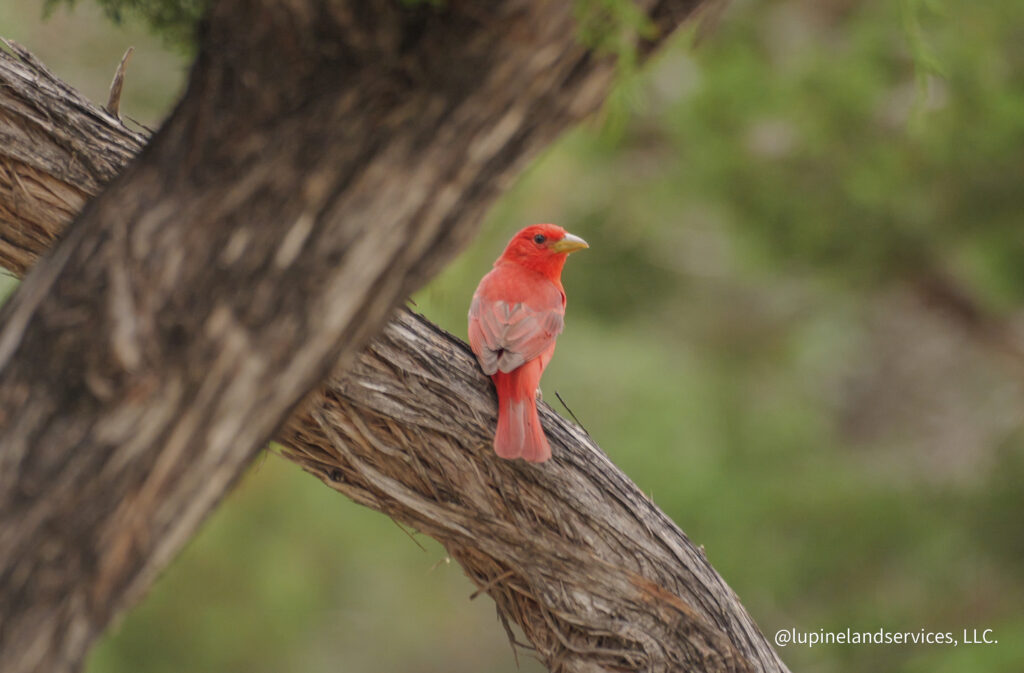
- Painted Buntings
- Northern Cardinals
- Carolina Wrens
- Black-crested Titmice
…are strong indicators of habitat quality.
The 4 Core Practices for Songbird-Based Wildlife Management
To qualify, landowners must implement at least 3 of 7 approved practices in Texas.
For songbirds, these are the most common:
1. Habitat Control
Improving plant diversity and structure.
Examples:
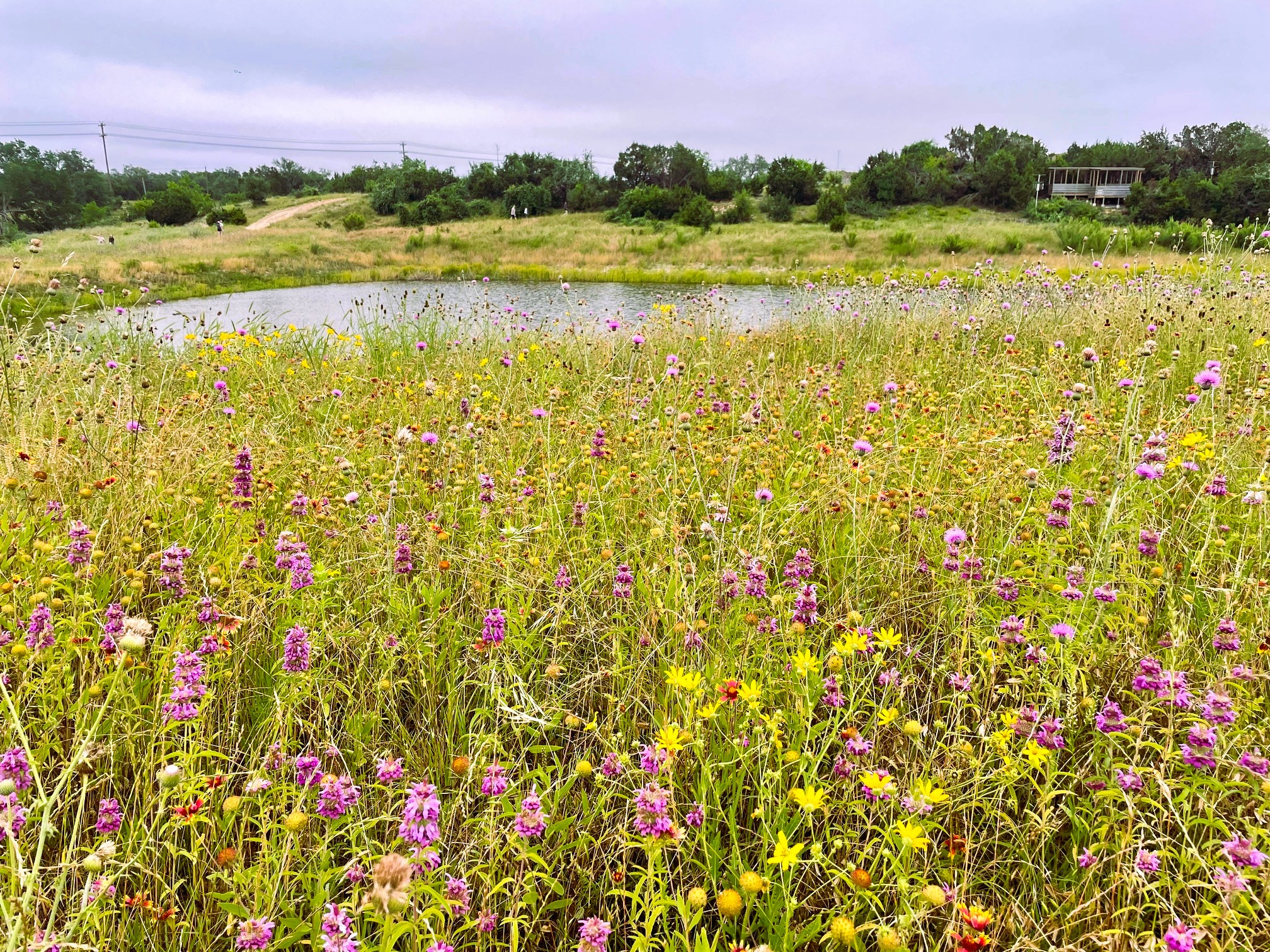
- Reducing overgrown monocultures and encouraging broad native plant diversity
- Encouraging native grasses, wildflowers, and shrubs
- Strategic brush management (not full clearing)
2. Supplemental Food
Providing consistent, appropriate nutrition.
Important:
- Feeders must be free-choice (accessible year-round)
- Feed should go beyond corn (protein-based mixes are preferred)
3. Supplemental Water
Reliable water sources are critical — especially in dry months.
Examples:
- Rainwater collection systems
- Wildlife troughs or guzzlers
We recommend adding tree limbs and other natural structures to water troughs as a vital safety measure that transforms a potential drowning hazard into a safe haven for wildlife. Small animals like squirrels, birds, and lizards often fall into steep-sided troughs while trying to drink and without a way to climb out, they can quickly perish.
4. Census Counts (Monitoring)
Tracking wildlife use of the property.
For songbirds, this typically includes:
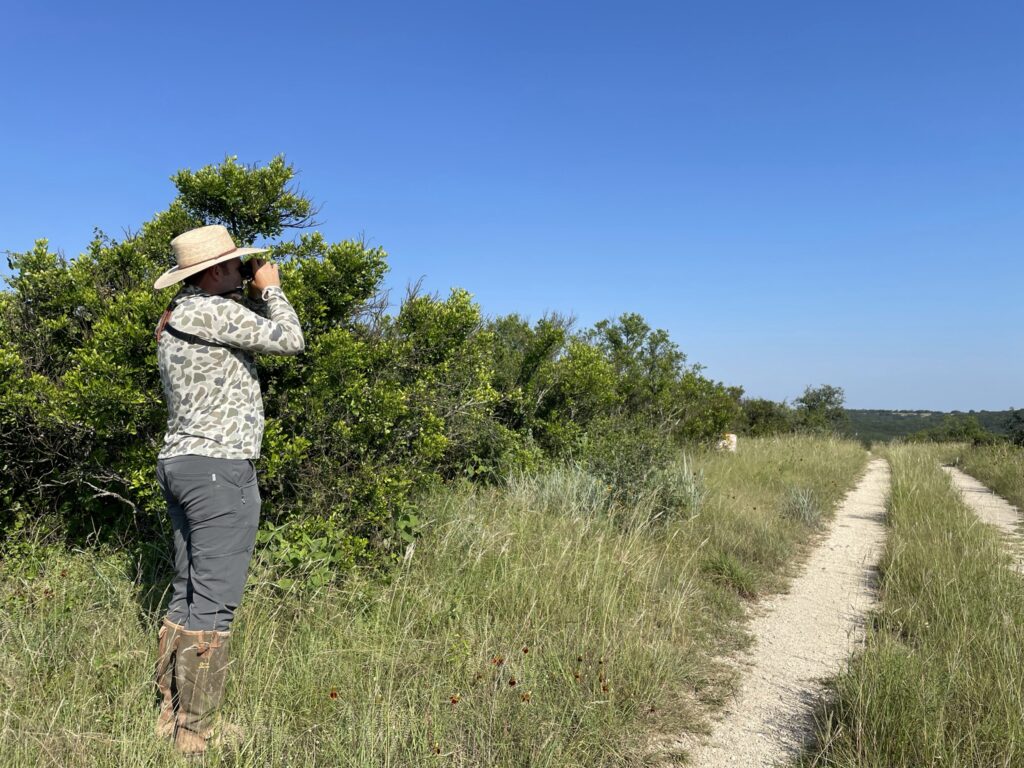
- Spring breeding bird surveys
- Point count methodology
- Early morning observation periods
What We’re Doing on the Land Right Now
This time of year, most landowners are transitioning from planning to implementation.
Across the Hill Country, that means:
- Installing and maintaining feeders
- Setting up water systems during the rainy season
- Conducting spring bird surveys
This is when land really starts to respond.
Can You Do This Yourself?
Yes — many of these practices can be done independently.
But here’s where experience matters:
Every property is different.
- Soil types vary
- Vegetation responds differently
- Wildlife pressure changes outcomes
- Past land use impacts results
Small adjustments — timing, placement, intensity — can make a significant difference in how well a property performs over time.
Why Native Plants Matter for Songbirds
If you want to support songbirds, native plants are non-negotiable.
They provide:
- Food (seeds + insects)
- Nesting structure
- Seasonal cover
In the Hill Country, incorporating native grasses, wildflowers, and shrubs creates the layered habitat songbirds depend on.
FAQ
Can you get a tax exemption for songbirds in Texas?
You cannot receive a tax exemption specifically for songbirds, but you can qualify for a wildlife management tax valuation by managing habitat that supports native wildlife, including songbirds.
What animals qualify for wildlife management in Texas?
A wide range of native species can qualify, including birds, deer, pollinators, and other wildlife. Songbirds are one of the most common focus areas.
Do I need feeders for wildlife management?
Feeders are one of several accepted practices, but they must meet specific criteria such as being free-choice and consistently maintained.
What is the easiest wildlife management practice to start with?
Installing water features, providing supplemental food, and bird monitoring are often the most accessible starting points for landowners.
Closing
Managing land for native songbirds is more than a requirement — it’s a way to actively participate in the health of your land.
And often, it’s the simplest place to begin.
Leave a Reply