

Texas Bird Surveys & Avian Wildlife Monitoring
Bird surveys provide landowners, wildlife managers and environmental professionals with valuable information about the species using a property and how those species respond to habitat conditions and management activities.
Lupine Land Services provides professional bird surveys throughout Central Texas, the Texas Hill Country and other areas of Texas. Our wildlife biologists use field observations and appropriate survey methods to document bird communities, evaluate habitat use and establish information that can support wildlife management, conservation planning and environmental projects.
What Is a Bird Survey?
A bird survey is a systematic effort to identify and document birds occurring on a property during a defined period.
Depending on the objectives of the project, a survey may focus on overall species diversity, particular groups of birds, seasonal use, habitat associations or target species.
Bird surveys can also provide a repeatable way to monitor changes over time. When surveys are conducted during comparable seasons and under similar conditions, landowners can begin developing a record of how wildlife populations and habitat use change as management activities are implemented.
Who Can Benefit From a Bird Survey?
Bird surveys can be useful for:
- Texas landowners managing property for wildlife
- Properties under 1-d-1 wildlife management appraisal
- Landowners establishing baseline wildlife information
- Ranches and recreational properties
- Conservation organizations and land trusts
- Environmental and development projects
- Habitat restoration projects
- Landowners interested in nongame wildlife and biodiversity
For wildlife-management properties, bird surveys may also provide documentation associated with census activities when appropriately incorporated into the property’s wildlife management plan.
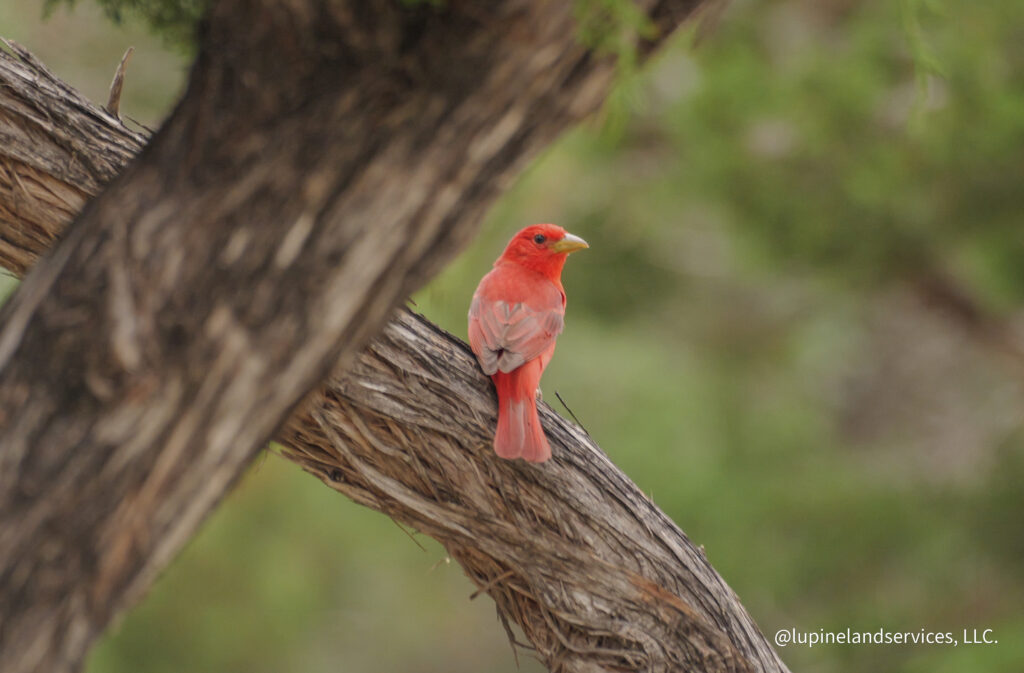
Bird Surveys by Lupine Land Services
Lupine approaches each survey based on the property, habitat, season and purpose of the project rather than treating every property the same.
Before fieldwork, we evaluate the survey objective and available property information. Survey locations are selected to represent important habitat types and provide useful coverage of the property.
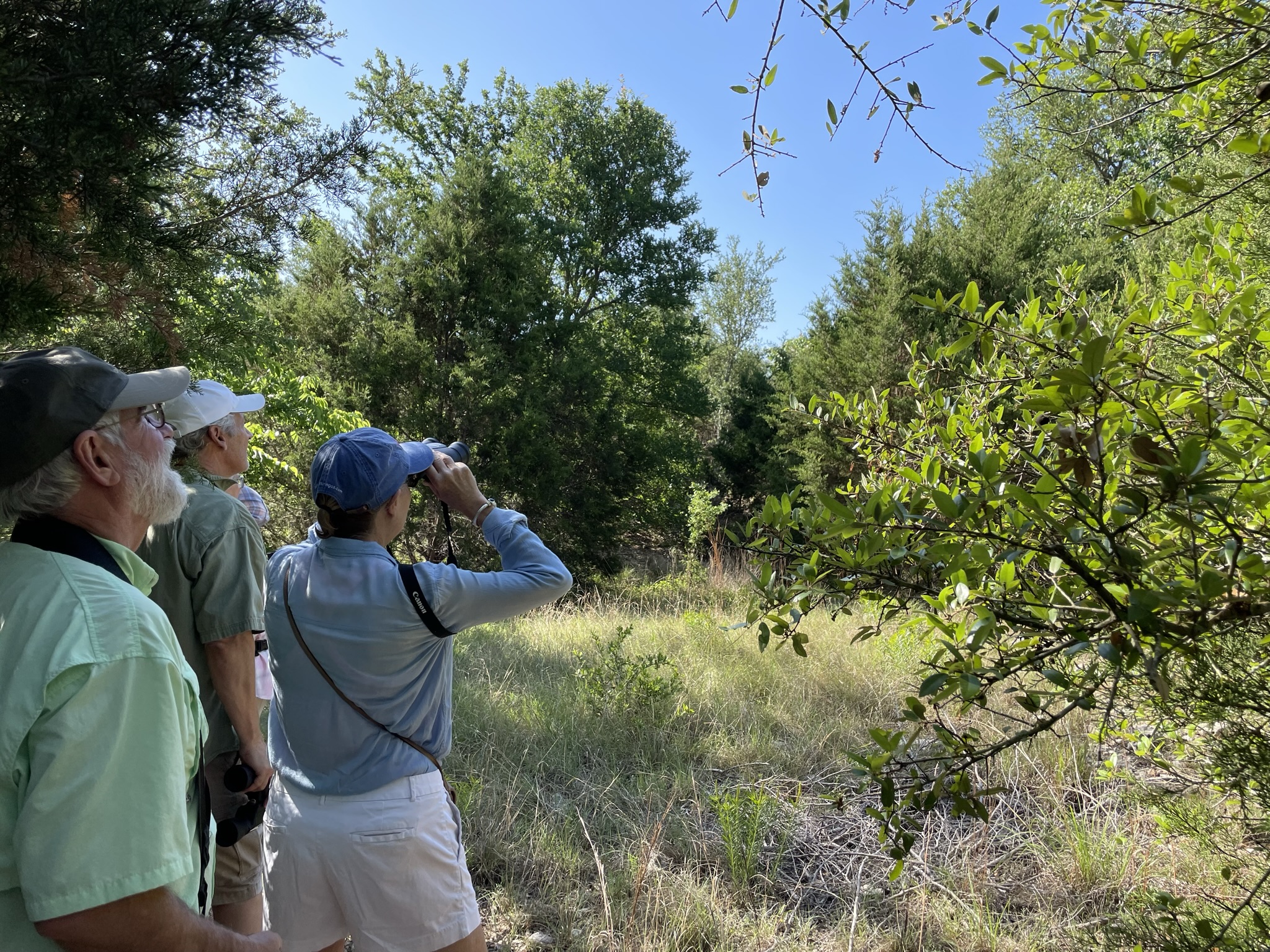
During field surveys, our biologists document birds detected visually and by sound and record relevant field observations. Depending on the project, observations may also include information about habitat, wildlife activity and management considerations encountered during the survey.
The result is more than a checklist. Our goal is to provide information a landowner can use to better understand and manage the property.
Our Survey Methodology
Survey methodology varies according to the objectives of the project, property size, habitat and season.
Methods may include systematic observation locations, point-based surveys, visual and auditory identification, incidental observations and other appropriate field techniques.
For monitoring projects, maintaining consistency between survey periods can be particularly valuable. Repeat surveys can help document changes in species richness, seasonal occurrence and habitat use.
When a project requires a specialized protocol or target-species survey, Lupine can determine whether a general bird survey is appropriate or whether a more specialized survey should be conducted.
What Does the Landowner Receive?
Deliverables are tailored to the project and may include:
- Documentation of survey dates and field effort
- Species observed or detected
- Survey location information
- Relevant field observations
- Photographic documentation when appropriate
- Habitat or wildlife-management observations
- Recommendations for future management or monitoring
- Documentation for wildlife-management records
Additional reporting can be developed when a project requires more detailed biological documentation.
Bird Surveys and Texas Wildlife Management
Texas recognizes census counts as one of seven wildlife-management practices that may be used to qualify land for agricultural appraisal based on wildlife management use.
Bird surveys can be particularly useful when landowners are managing for indigenous nongame species such as songbirds.
A census is not required for every wildlife-management property. Texas landowners select at least three qualifying wildlife-management practices appropriate to their property, target species and management objectives.
When census is included in a wildlife management plan, surveys should be conducted in a manner appropriate for the target species and applicable wildlife-management guidelines.
Wintering and Breeding Bird Surveys
Bird communities in Texas change considerably throughout the year.
For this reason, Lupine offers both wintering bird surveys and breeding-season bird surveys.
Winter surveys can document resident and migratory species using a property during the nonbreeding season, while spring and breeding-season surveys provide information about birds occupying and potentially breeding within available habitat.
Using surveys during different seasons can provide a much more complete picture of a property’s avian diversity.
Where We Provide Bird Surveys
Lupine Land Services provides wildlife and bird-survey services throughout the Texas Hill Country, Central Texas and additional areas of Texas depending on the project.
Our work includes private ranches and recreational properties as well as conservation and environmental projects.
Contact us with the location and objectives of your project to determine the appropriate survey approach.

Frequently Asked Questions
What is the purpose of a bird survey?
A bird survey documents species using a property and can help evaluate wildlife diversity, habitat use, seasonal occurrence and changes associated with land-management activities.
Can a bird survey count as a wildlife-management census activity?
Bird surveys may be used as a census activity when they are appropriate for the target wildlife species and are conducted consistently with the property’s wildlife management plan and applicable guidelines.
Is a wildlife census required every year in Texas?
Typically, yes. Census is one of seven recognized wildlife-management practices, and Texas wildlife-management landowners generally select at least three qualifying practices, and most often these activities are yearly activities. The appropriate activities depend on the property’s wildlife management plan.
When is the best time to conduct a bird survey?
That depends on what you want to learn. Breeding-season surveys and wintering bird surveys answer different questions. In some cases, surveys during multiple seasons provide the most useful information.
Do you identify birds by sound?
Auditory detections can be an important component of professional bird surveys because many birds are detected by calls or songs before they are seen.
Can surveys be repeated from year to year?
Yes. Repeat surveys conducted using reasonably consistent methods and seasonal timing can provide useful information about changes in bird communities over time.
Do you survey properties specifically for wildlife management?
Yes. Lupine works with Texas landowners to conduct wildlife surveys and document management activities as part of broader wildlife-management programs.
Schedule a Texas Bird Survey
Whether you need a bird survey for wildlife management, baseline biological information, habitat evaluation or long-term monitoring, Lupine Land Services can develop a survey approach appropriate for your property and objectives.
Contact Lupine Land Services to discuss your property, survey objectives and preferred timing.