
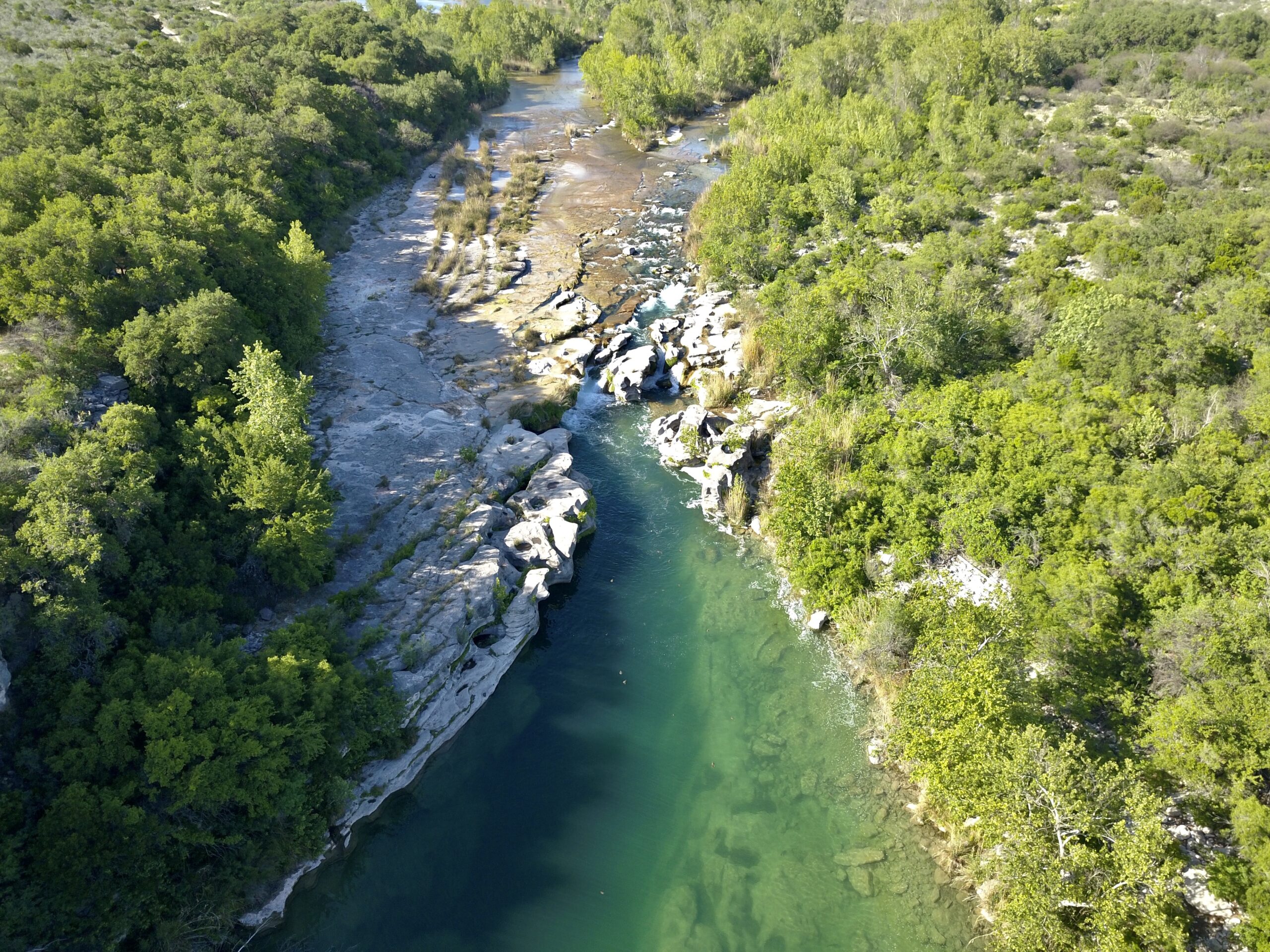
Supplemental Water for Texas Wildlife Management
Reliable water can be one of the most important habitat components on a Texas property, particularly during periods of heat and drought.
Lupine Land Services helps landowners plan, establish and maintain supplemental water sources designed to benefit target wildlife and support broader habitat-management objectives.

What Is Supplemental Water?
Supplemental water is water actively provided in addition to naturally occurring sources.
Texas recognizes providing supplemental water as one of seven wildlife-management practices.
Depending on the property, supplemental water may involve wildlife watering facilities, modifications to existing water sources or other appropriate methods.
Who Needs Supplemental Wildlife Water?
Supplemental water may be particularly useful on properties where:
- Supplemental water is included in the wildlife management plan
- Natural water is limited or seasonal
- Existing livestock water is inaccessible to smaller wildlife
- Wildlife habitat is distant from reliable water
- Drought reduces natural availability
- Landowners are managing for birds or other nongame wildlife
Lupine’s Approach
A useful wildlife water source needs to be more than a container filled with water.
Placement, accessibility, reliability, maintenance, target species and surrounding habitat all matter.
Lupine can evaluate a property’s wildlife objectives and help determine appropriate locations and strategies for supplemental water.
Services may include planning, installation or modification recommendations, periodic inspection, maintenance and documentation depending on project scope.
Wildlife-Management Relevance
Providing supplemental water is one of the seven practices recognized under Texas wildlife-management law.
Activities must still be appropriate for the target species and implemented according to applicable wildlife-management guidelines and intensity standards.
What You Receive
Depending on service scope, Lupine can provide:
- Water-source recommendations
- Location recommendations
- Installation or modification assistance
- Maintenance observations
- Photographic documentation
- Wildlife-management records
- Recommendations for future improvements
Frequently Asked Questions
Does a livestock trough count as supplemental wildlife water?
That depends on how it functions for the target wildlife and how it is incorporated into the management program. Modifications may sometimes improve wildlife access and usefulness.
Where should a wildlife water source be located?
Location depends on target species, habitat, existing water, terrain and disturbance. There is no single ideal placement for every property.
Does supplemental water need maintenance?
Yes. Watering facilities should be inspected so they remain functional, accessible and appropriate for wildlife.
Is supplemental water a recognized Texas wildlife-management practice?
Yes. Providing supplemental supplies of water is one of the seven statutory wildlife-management practices.
Can Lupine document water management activities?
Yes. Appropriate installation, maintenance and service activities can be documented for the property’s wildlife-management records.
Improve Water Availability for Wildlife
Contact Lupine Land Services to discuss supplemental wildlife water for your Texas property.